How Google Buries Conservative News Stories While Pretending to Be NeutralWhat Americans see in search results may not be as balanced as it appears.
FROM THE NEWSROOMThursday, April 23rd | News that moves the world. Google faces renewed scrutiny over claims that conservative news is being buried in search and news aggregation. A bipartisan public health effort is gaining support as lawmakers push for faster disease detection. And in Greece, a key European ally is urging diplomacy as the U.S. and Iran try to avoid deeper conflict. So what ties these stories together? Each reflects a broader fight over who shapes public understanding, public safety, and the path forward in uncertain times “Sticky blood” disables 17 Americans every hourEvery 60 minutes in the U.S., “sticky blood” permanently disables 17 people.
It’s a hidden complication of high blood sugar that almost no one talks about — and it has nothing to do with your A1C numbers.
Think about pouring maple syrup through a straw… that’s what’s happening inside your blood vessels when sugar lingers in your bloodstream too long. How Google Buries Conservative News Stories While Pretending to Be Neutral
New research is fueling concerns that Google News and search results are not presenting a politically balanced view of the news. According to findings cited from AllSides and the Media Research Center, left leaning sources dominate Google’s news aggregation while right leaning outlets appear far less often and are more likely to surface in lighter coverage rather than hard news. Critics argue that with Google controlling such a large share of the search market, these patterns do more than influence traffic. They shape what millions of Americans see, read, and understand about current events. Can public trust in major tech platforms hold if users believe the flow of information is being tilted behind the scenes? Read Full StoryKennedy Backs Bipartisan Effort to Build National Disease Detection System
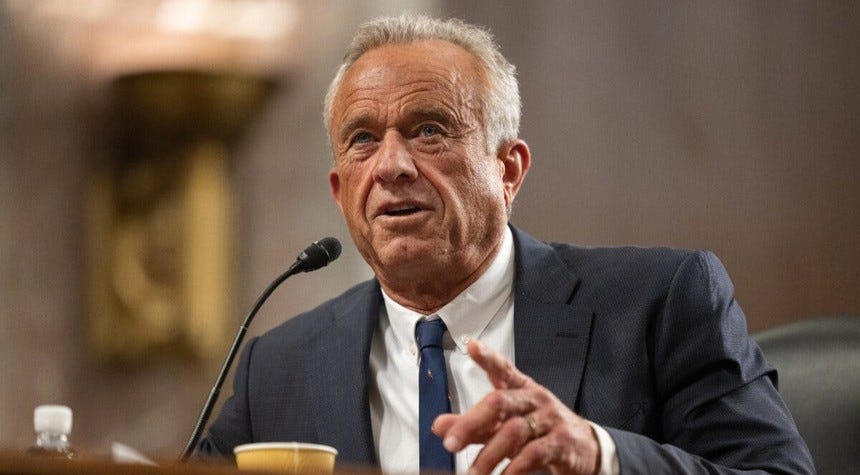
Robert F. Kennedy Jr. has backed the bipartisan PREDICT Act, a proposal to expand wastewater surveillance across the country so health officials can detect outbreaks earlier and respond faster. The bill would build on lessons from the COVID-19 era by creating a national monitoring network through the CDC, while a proposed $325 million bio threat radar system would further strengthen early detection efforts. Supporters say the approach could help track dangerous pathogens before they spread widely, reducing both health risks and the economic cost of future outbreaks. Could earlier detection become one of the most important public health tools of the next decade? Read Full StoryGreek Prime Minister Urges Diplomatic Resolution to US-Iran Standoff
Greek Prime Minister Kyriakos Mitsotakis is urging a diplomatic resolution between the United States and Iran as the economic fallout from recent conflict continues to weigh on global energy markets. Speaking at the Delphi Economic Forum, Mitsotakis reiterated that Iran cannot be allowed to obtain a nuclear weapon, while also stressing the need for stability and restored shipping through the Strait of Hormuz. With a ceasefire now extended and talks still in motion, his comments reflect broader European hopes that military tension can give way to a lasting agreement. Will diplomacy be able to produce lasting stability before economic pressure and regional risk rise even further? Read Full StoryQUICK TAKES
FROM THE EDITORToday’s stories are a reminder that power does not just shape policy. It also shapes what people see, what governments prepare for, and how nations respond when the stakes rise. Like staying ahead of the curve? Share The NewsRoom with a friend who loves clarity in their inbox. Become a paid subscriberUnlock the world of free media and stay ahead of the curve with our premium news articles. When you upgrade you get access to our comments section and special columns like Win The Argument, access to invite only podcasts, and more.
|