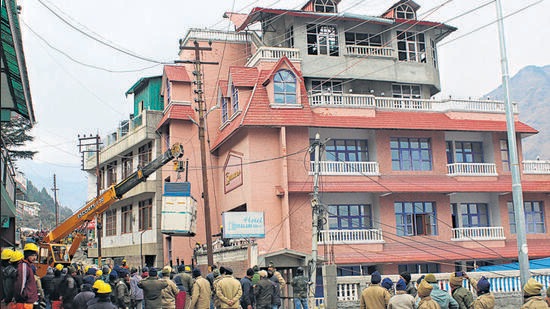
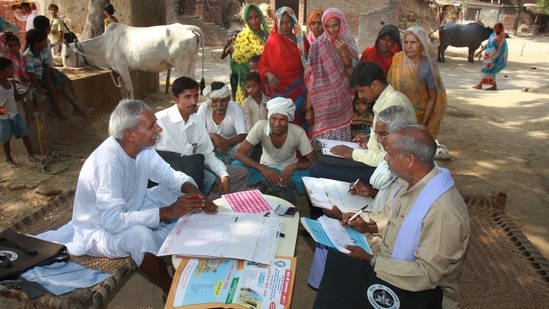
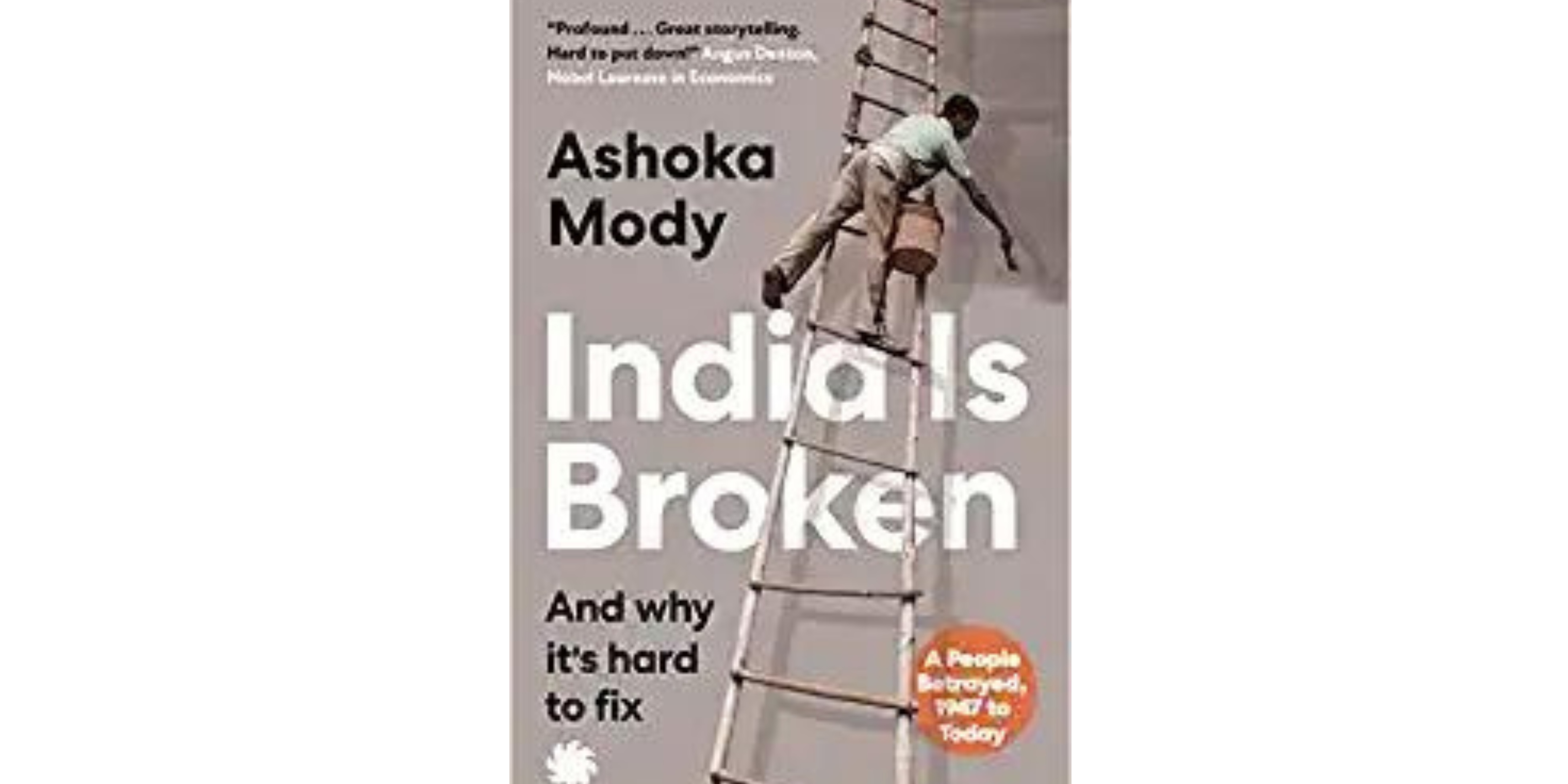
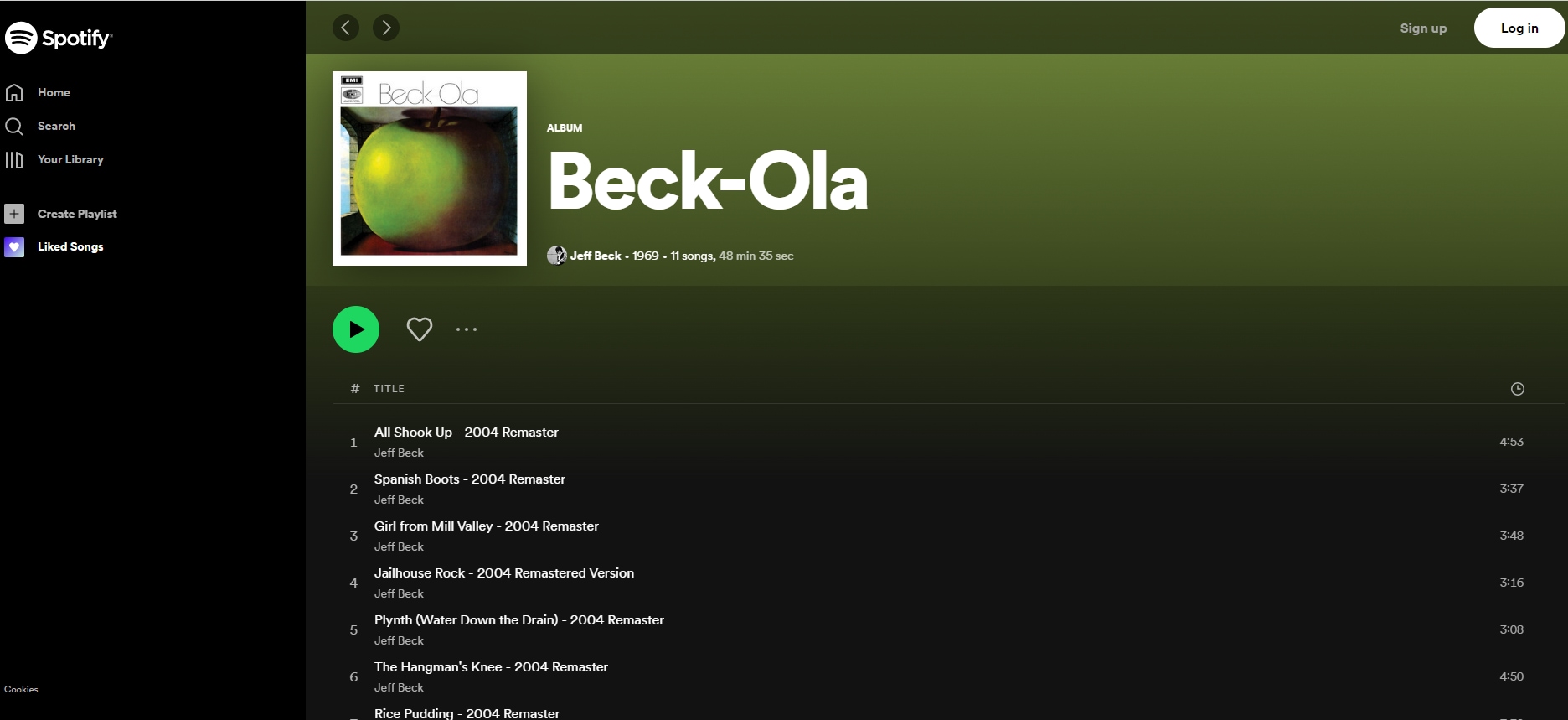
| | | Good morning! | | That the hills of Uttarakhand are fragile has been known for years. The first report on subsidence in Joshimath, for instance, was completed in 1976. The risks highlighted by the report did not change anything, though. In recent years alone, the area around Joshimath has seen two major infrastructure projects – the Char Dham project, cleared by the Supreme Court in the interest of national security (as argued by the government), and a big hydropower project, driven by developmental concerns – and a spate of smaller projects, such as hotels, prompted by the town’s growing tourist traffic. The state’s emergence as the preferred second home of Delhi’s smart set has not helped too (and only accelerated construction activities), although much of this is restricted to the southern and western parts of Uttarakhand.  Security and development are critical. As is protecting the interests of India, Indians, and Indian firms. Unfortunately, the laws of nature and science do not recognise any of the three. Science, then, should be given the highest weightage in the decision-making matrix when it comes to matters concerning health, safety, and the environment. It should guide government policies and drive responses in these areas. Yet, science, and data (a key ingredient of the scientific process) rarely do. Examples abound. Our utter disregard of what the Char Dham and Tapovan hydropower project would do to the region around Joshimath (and, indeed, many of the upper reaches of the hill state) is one. An expert committee to assess the impact of the Char Dham was set up, and when it pointed to the risks involved, its role was restricted, forcing its chairman to resign. It is important to acknowledge that not everyone opposed to the project is a Chinese agent. Our response to two recent instances of toxic adulterants being found in Indian cough syrups being exported is another. The companies, and certain quarters in the government, have alleged a conspiracy by Big Pharma against India and Indian pharma firms – instead of using the opportunity to reform India’s drug regulation regime (which badly needs reform), and get the pharma industry to adhere to good manufacturing practices, both of which can only help the country achieve its very real potential as the world’s pharmacy. It is important to understand that not everyone speaking of this is on the payroll of Big Pharma. Blind belief in traditional medicinal systems, without focusing on their scientific aspects (including clinical trials), which may actually increase both the efficacy and acceptability of such systems, is a third. Narratives may be able to carry the day in theological and political debates, but the laws of nature, physics, and chemistry are, unfortunately, not amenable to them. When data and science do not drive decisions that should be driven by them, no amount of post-facto narratives can help. That otherwise rational and smart individuals are happy to subscribe to these narratives, even propagate them, is worrying — and points to the extent of our commitment to science as a people. Ignoring the laws of science can only result in grief. Joshimath may be a wake-up call, but there are already efforts to present the ongoing subsidence as a natural disaster, and highlight the impact of all the negative publicity the sinking town is receiving on tourist and religious activities, and therefore, the local economy. In truth, science and nature couldn’t care less. | | THINK 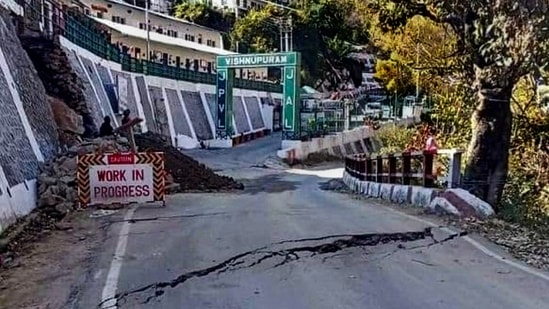 Image source: PTI What’s the problem at Joshimath? What is the science behind the subsidence? It emerges that there are locational, geological, meteorological, and man-made reasons for the town’s sinking. Or as Ravi Chopra (the one man who knows what he is talking about on this issue) said in an Op-Ed in Hindustan Times, Joshimath is the victim of a refusal to pay heed to warnings from nature, science, and people. | | | | THINK MORE That Covid-19 is going to be around for years is a certainty — as is the fact that we will continue to need vaccines for it, both to combat potentially dangerous new variants and administer effective shots to the billions of unvaccinated people around the world. From the perspective of having effective new vaccines against the viral disease, though, 2023 is likely to be a disappointment, according to an article in New Scientist. Reason? “Any new vaccine must be better than those we already have,” says the article, and because the first batch of vaccines were highly effective, we are unlikely to see a new one that “meets the bar” in 2023. | | KNOW Inflation is down. In India, and also in the US. In India, Consumer Price Index inflation came in at a 12-month low of 5.7% in December, the second straight month when it remained below the upper bound of the Reserve Bank of India’s tolerance band of 4-6%. In the US, it came in at a 14-month low of 6.5%. As Hindustan Times pointed out in an edit, RBI has consistently overestimated inflation for the past three quarters. In the December quarter, for instance, it projected inflation at 6.6%. The actual number was 6.1%. Does this make enough of a case for a pause in the rate-hike cycle in February? Still, with core inflation remaining sticky at 6% (the moderation is largely on account of food prices), the volatility surrounding oil prices, and its own preference for front-loading rate increases, RBI may effect one (small) final hike in the current monetary cycle in February. | | LEARN Bihar begins a caste census on January 7. The motives for this are purely political. If the census shows that the population of OBCs (other backwards classes) is higher than previously estimated, it provides the data to back claims to increase reservation for them in jobs and colleges (especially because a recent Supreme Court ruling on reservations for economically weaker sections has effectively demolished the percept that 50% was the ceiling for such quotas). Could this work as a successful electoral play? That depends on three factors, says Roshan Kishore, in his weekly Terms of Trade column: whether there is demand for such a census (outside the political classes); whether the BJP will oppose it (it may choose not to); and whether the results do show what supporters of such an exercise expect them to (they may not). | | READ MORE  Image source: ANI Indian Hockey’s quest to break out Governors must be neutral umpires The world gets set for an economic winter in 2023 How we discover songs | | OUTSIDE It does not get more meta than this — research published in Nature in January shows that “disruptive science” has declined over the past decades. “Data from millions of manuscripts show that, compared with mid-twentieth-century, research done in the 2000s was much more likely to push science forward incrementally than to veer off in a new direction and render previous work obsolete. Analysis of patents from 1976 to 2010 showed the same trend,” the report in Nature on the study said. Interestingly, the study also shows that the “number of highly disruptive studies has remained about the same”. That may well explain what’s happening. | | WHAT I'M READING India is Broken, by Ashoka Mody, a fascinating exposition (based on data as well as social science) of how, when presented with options at almost every stage of the country’s evolution and growth since Independence, its leaders chose to take the suboptimal one. I do not entirely agree with the author — as regular readers of this newsletter may remember, I have a different way of classifying the nation’s challenges (first, second, and third generation) and it is clear that over the past eight-and-half years, the government has addressed first-generation challenges with a great degree of success — but India is Broken is definitely a book anyone concerned about India’s challenges should read. | | WHAT I’M LISTENING TO I’ve mentioned Jeff Beck in this newsletter once (Blow by Blow, I think), and remember referring to him as the “guitarists’ guitarist”, which may seem cliched, but isn’t. Beck passed on earlier this week, and I have been listening to his music on a loop. Unlike many other guitarists whose craft faded with time, Beck grew and evolved as a guitarist as some of his newer music shows. One of my favourites remains Beck-Ola though, perhaps because it was the first Beck album I heard over three decades ago. | | | | Were you forwarded this email? Did you stumble upon it online? Sign up here. | | | | | | Get the Hindustan Times app and read premium stories | | | | | | View in Browser | Privacy Policy | Contact us You received this email because you signed up for HT Newsletters or because it is included in your subscription. Copyright © HT Digital Streams. All Rights Reserved | | | | |