Cheap, Nutritious & Overlooked: Why Peas Matter More Than You Think
|
From protein and fibre to iron and gut health, peas offer more nutritional value than they’re usually given credit for, writes Rachel Woods .
|
PEAS aren’t often seen as a particularly exciting vegetable. They tend to be treated as a basic side dish or something people eat out of habit, rather than choice. But they’re also cheap, widely available and contain a combination of nutrients that can have a positive impact on our health.
While peas will not transform health on their own, when eaten regularly, they can provide a useful contribution to daily protein, fibre and micronutrients intake.
Here are a few reasons why peas are worth including in your diet more often.
They’re a source of plant protein
Protein is essential for maintaining muscle, immune function and helping us feel full after meals. While not the highest protein food out there, they contain more protein than most vegetables.
Cooked green peas provide around 5g of protein per 100g, while dried peas contain closer to 8g per 100g. That is less than lentils (around 6g per 100g) or chickpeas (over 7g per 100g), but more than vegetables such as carrots (less than 0.5g of protein per 100g) or sweetcorn (less than 3g per 100g).
Pea protein has a well-balanced amino acid profile, containing all nine essential amino acids. These are the building blocks for protein, which the body uses for growth and repair, as well as to make enzymes, hormones and immune molecules.
However, like other grain legumes, peas are relatively low in sulfur‑containing amino acids – particularly methionine, which plays a key role in protein synthesis and growth.
|
This means that peas would not be ideal as your sole protein source. But since most people eat peas alongside other plant and animal proteins, this isn’t usually a problem – and peas can be a useful way to increase your protein intake.
Pea protein is also relatively easy to digest and absorb. Research suggests it has good bioavailability compared with many other plant protein sources, meaning the body can make good use of it.
Their fibre supports gut and metabolic health
Many people do not eat enough dietary fibre. Peas can help contribute to you achieving the recommended 30g of fibre per day. A 100g portion of cooked peas provides more than 6g of fibre, with dried peas providing even more (around 8g of fibre per 100g). Fibre plays an important role in digestive health, but its effects extend beyond the gut.
Peas contain both insoluble and soluble fibre. Insoluble fibre helps move food through the digestive system, reducing constipation. Soluble fibre dissolves in water to form a gel‑like substance, which slows digestion and helps regulate blood sugar and cholesterol levels.
Peas also contain prebiotic fibres, including galactooligosaccharides. These fibres feed beneficial bacteria in the gut, rather than being digested by the body. Supporting these bacteria helps achieve a more diverse gut microbiome, which has been linked to better metabolic health.
|
Peas contain iron and other beneficial plant compounds
Iron is essential for producing the blood protein haemoglobin, which carries oxygen around the body. But iron deficiency remains common worldwide, particularly among people who menstruate.
While vegetables are not usually major sources of iron, peas contain more iron than many commonly eaten vegetables, such as carrots and peppers. However, it’s important to make sure you’re eating the right type of peas if you’re looking to get more iron in your diet.
For instance, mature peas tend to contain higher levels of phytic acid, a compound that can limit iron absorption in the gut. Green peas, which are harvested earlier, contain iron while having much lower levels of phytic acid. This gives garden peas and petit pois a more favourable iron‑to‑phytate ratio, which is associated with better iron bioavailability.
Peas also contain polyphenols, including flavonoids. These are plant compounds that have antioxidant and anti‑inflammatory effects, helping protect cells from damage and supporting overall health.
Regularly consuming flavonoids has been associated with improved cardiovascular health, better blood sugar regulation, and a lower risk of several chronic diseases, including cardiovascular disease and certain types of cancer.
|
They’re one of the most affordable healthy foods
Cost plays a major role in influencing what people eat. Peas remain one of the cheapest ways to add some extra protein and fibre to meals.
Frozen peas can be bought for around Rs 150 to Rs 250 per kilogram at most major supermarkets. They’re frequently cheaper than other frozen vegetables, and much cheaper than many fresh vegetables.
Frozen peas also generate very little waste. You can cook the amount you need, which makes them a good value for households trying to eat well on a limited budget.
|
Peas are easy to store, cook and eat regularly
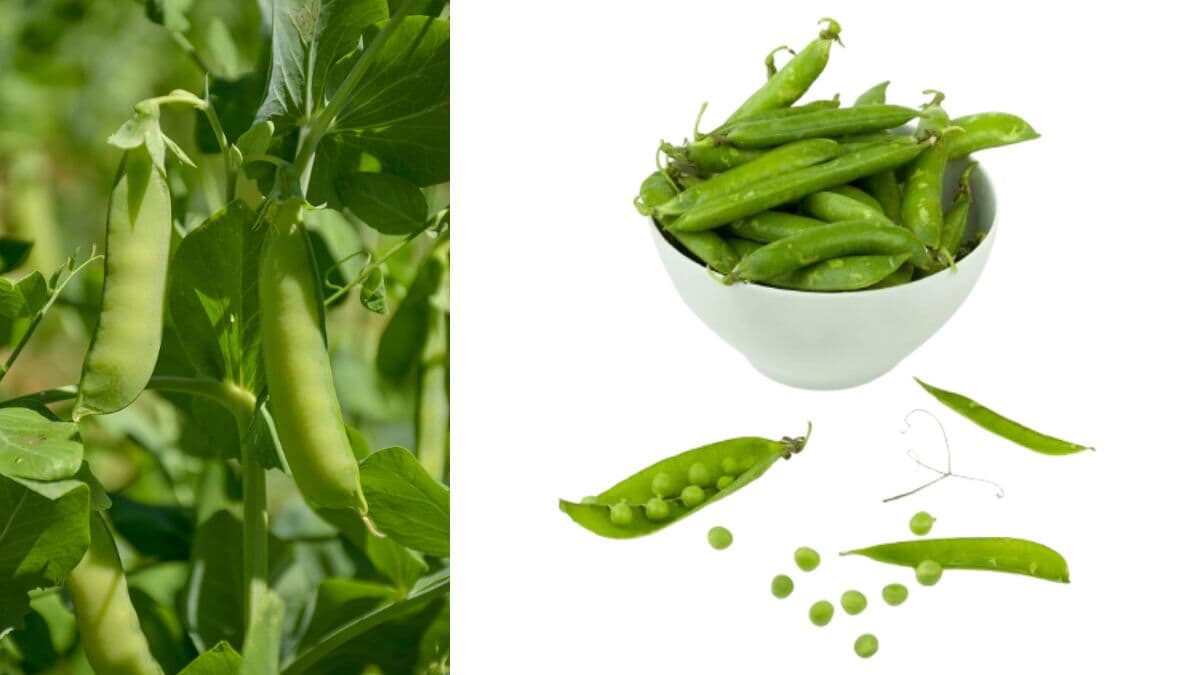
Convenience also has a strong influence on food choices. Peas are easy to keep and use in different ways. Fresh, frozen, tinned and dried peas all have a place, but frozen peas are particularly practical.
Frozen vegetables are usually harvested at peak ripeness and frozen quickly. This helps preserve nutrients and reduces spoilage. Studies show that frozen and canned vegetables are nutritionally comparable to fresh varieties, and sometimes even retain nutrients better during storage.
Because peas require little preparation, they’re easy to add to meals that families already eat. They may even be more of a hit with children. Research suggests that many children are more accepting of vegetables that are soft and slightly sweet rather than bitter or tough, which may explain why peas are often better received than other vegetables.
Keeping peas on hand also makes it easy to add to your and your child’s plates regularly. Research shows that the more children are given a certain type of food, the more likely they are to eat them.
|
Simple ways to eat more peas
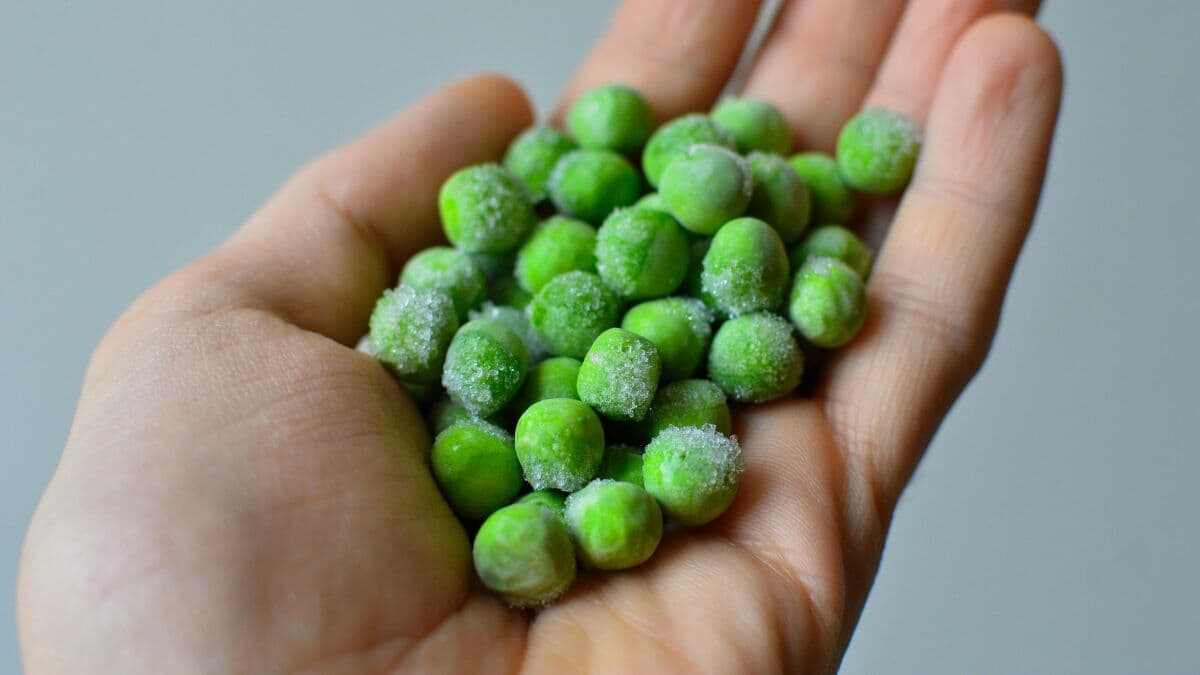
Including peas does not require major changes to eating habits. Keeping a bag of peas in the freezer makes it easy to add them to pasta, rice, risottos or curries, or to serve them as a quick side.
Peas can also be blended into soups, stirred into sauces, or added into pesto. Dried, frozen or tinned peas work well in soups and stews.
Peas may not seem exciting. But as part of a varied diet, they’re a reliable way to add protein, fibre and nutrients without adding too much cost or complexity.
Rachel Woods is an Associate Professor at the University of Nottingham and the University of Lincoln. This article originally appeared on The Conversation and has been republished here under the Creative Commons License.
|
Hey there, foodie! Want to get in touch? Just drop in on our Insta page and say hi!
Forward this newsletter to someone who'd love bite-sized tidbits on all things food, or share using the buttons below ⬇️ Got this email from a friend? Sign up !
|
|
|
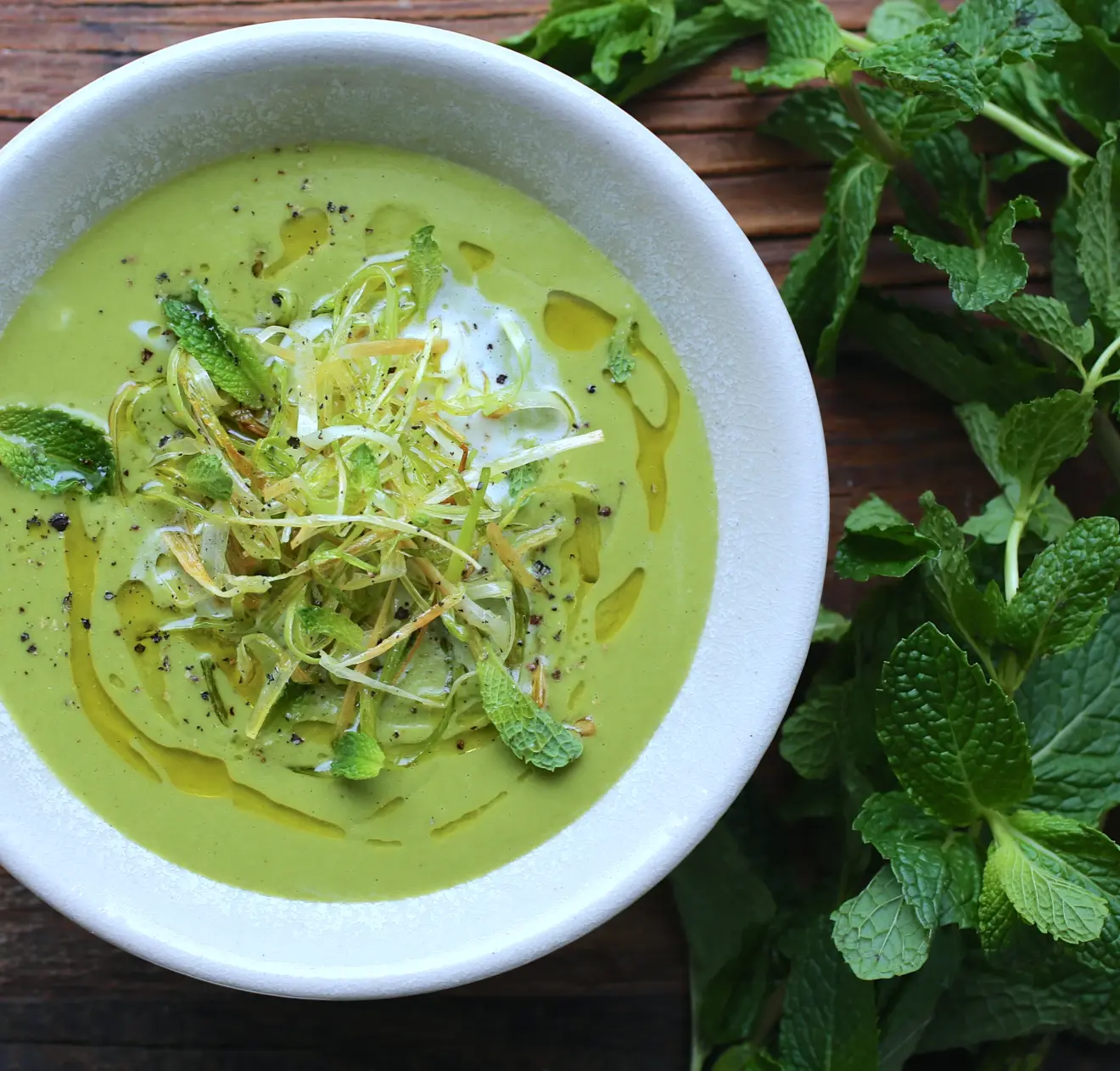
Creamy Green Pea Soup with Mint
|
2 tablespoons olive oil or coconut oil
1 leek, white part, sliced
1 shallot, chopped
3 cloves garlic
1½ cups peas (fresh or frozen)
3 cups vegetable broth
¼ cup fresh mint, chopped coarsely, plus more for garnish
salt and freshly ground pepper
½ cup coconut milk or cashew cream
For Frizzled leeks:
1 tablespoon olive oil
2 leeks, julienned in about 3-inch slices
|
Heat olive oil in a large pot over medium heat. Add the leek, shallot and garlic, and sauté for about 7–8 minutes until soft, fragrant and lightly translucent.
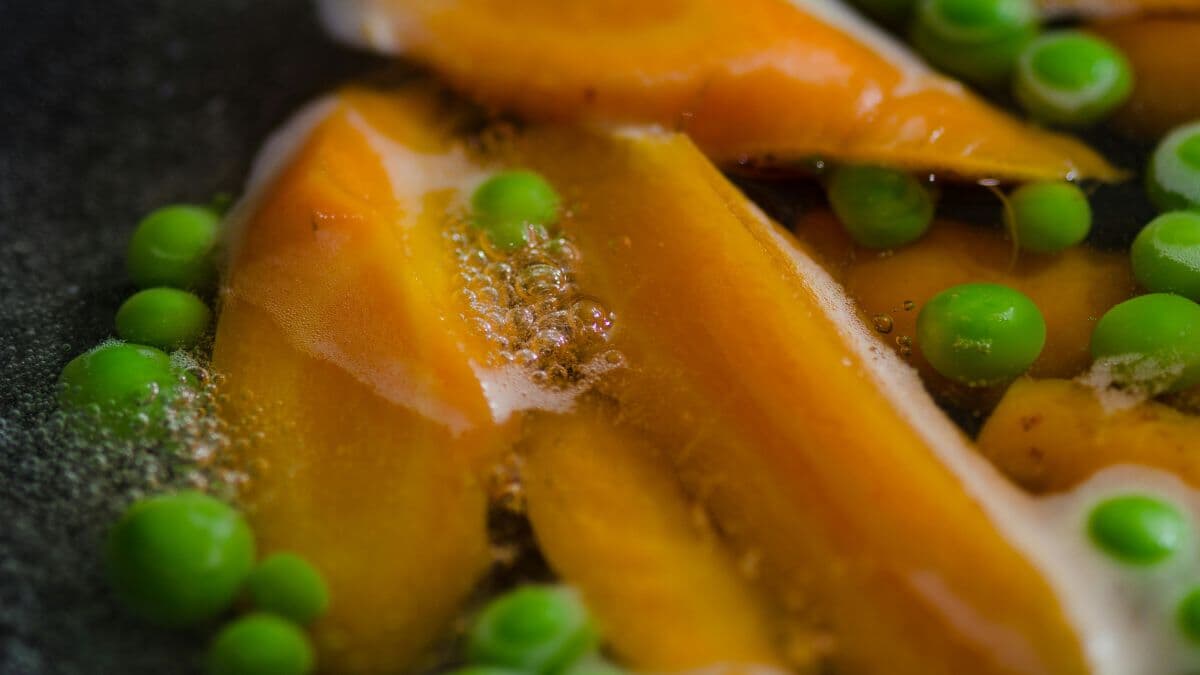
Pour in the vegetable broth and bring to a boil. Add the peas and cook until tender — about 3–5 minutes if using frozen peas, slightly longer if using fresh peas. Remove from the heat, then stir in the mint leaves and salt.
Transfer the soup to a high-speed blender and blend until completely smooth and velvety. Return the soup to the pot and stir in the cream, if using. Taste and adjust the seasoning with more salt and black pepper as needed. You can also skip the cream entirely or serve it as a topping later.
For the frizzled leeks, heat oil in a small pan over medium heat. Add the sliced leeks and sauté until lightly browned and crisp around the edges. Season with a pinch of salt and set aside.
To serve, ladle the soup into bowls and finish with a drizzle of olive oil, a spoonful of cream or crème fraîche, the frizzled leeks, mint leaves and freshly cracked black pepper. Serve hot with toasted sourdough or crusty bread.
Recipe courtesy Petit World Citizen
|
|
|
|
In-depth, well-researched narratives about food. From the evolution of mock meats, to the cuisine of Gondal's royal kitchen, you’ll find a food story that keeps you hooked.
|
These stories and recipes celebrate a vital part of Indian festivals: food. And our editors will even line up star chefs to share their holiday cooking secrets with you.
|
|
|
Food journeys that take a turn for the unexpected. Serendipity guides these down-the-rabbit-hole explorations: who knows, poee might just lead to
misal pav.
|
In which Nirmalya Dutta and Avinash Mudaliar pick a theme, any theme, and find a way to introduce readers to all the food trivia that might be linked to that idea.
|
|
|
|
Hindustan Media Ventures Limited,
Hindustan Times House, 18-20,
Second Floor, Kasturba Gandhi
Marg, New Delhi - 110 001, India
|
DOWNLOAD THE SLURRP APP ⬇️
|
|
|
|
If you need any guidance or support along the way, please send
an email to slurrp@htmedialabs.com. We’re here to help!
|
©️2026 Slurrp, HT Media Labs. All rights reserved.
|
|
|
|
|