Thanks for signing up for DividendStocks.com! It's the daily newsletter built for dividend and income investors. Before we can begin sending your daily updates, there’s one quick step left. Please confirm your subscription using the link below so our emails reach your inbox. Click Here to Confirm Your Subscription to DividendStocks.com Here’s a small glimpse of what you’ll get access to: Dividend Stock Ideas — Each newsletter features dividend stocks with high yields, sustainable payouts, and strong growth potential. Ex-Dividend Stocks — Want to capture upcoming dividend payouts? Find out which stocks are going ex-dividend this week. Market News and Events — Stay in the loop on the latest developments impacting popular dividend names like AT&T, Exxon Mobil, IBM, Procter & Gamble, and Verizon. Bonus: As a thank-you for confirming, you’ll also receive a free PDF copy of Automatic Income, our popular guide to building wealth through dividend investing. Let’s get your dividend journey started! Discover Top Income-Generating Stocks Here See you in your inbox soon,
The DividendStocks.com Team P.S. Don’t miss out click here to verify your subscription and secure your daily dividend insights and your free investing guide!
Sunday's Featured Article Why 2 Small Biotechs May Hold the Key to New Cancer TreatmentsBy Nathan Reiff. Originally Published: 3/12/2026. 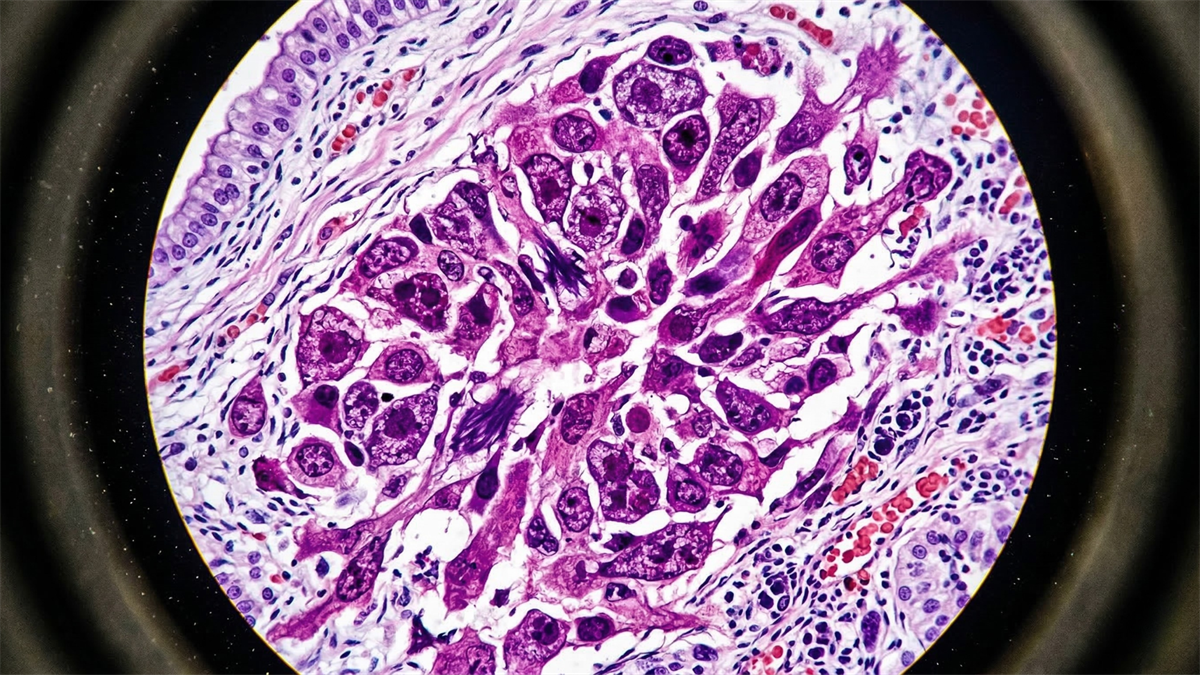
Key Points - Iovance and ImmunityBio each have a leading oncology product that has helped to massively boost sales and share prices in recent quarters.
- Despite major gains in recent trading, IOVA and IBRX shares still have at least 70% in upside potential going forward, according to analysts.
- Profitability remains a concern for both companies, even as sales of their top cancer drugs have surged.
Cancer remains one of the greatest medical challenges facing biotechnology firms, even as the oncology medicine market is expected to surge to $366 billion over the next eight years. Companies often take a niche approach, developing medicines that target specific cancer types with dedicated mechanisms. Fortunately, several promising treatments have shown significant potential—and with that comes the possibility of substantial revenue. Two smaller biotech companies are riding notable share-price momentum thanks to their leading oncology drugs. Beyond therapeutic promise, these medicines could help the firms move beyond penny-stock status toward greater stability and, potentially, long-term profitability. That said, both remain typical biotech investments: high-risk ventures that nonetheless offer the possibility of outsized rewards for investors willing to take a chance. Iovance's Powerful Cancer Drug Is Growing, But Production Challenges Are a Hurdle The gold trade Wall Street won't tell you about (before March 18) Most investment banks now predict gold will cross $10,000 an ounce. But the smartest way to profit has nothing to do with bullion, ETFs, or mining stocks. There's an overlooked approach that turned every $5,000 invested into more than $1.6 million during one historic gold rally - and the next surge could begin as early as March 18. Click here to see our full March 18 gold prediction - right here - absolutely FREE. Iovance Biotherapeutics Inc. (NASDAQ: IOVA) bucked market trends in early March, surging nearly 37% in a week when the S&P 500 slipped about 1%. That added to IOVA's year-to-date (YTD) gains, with shares more than doubling so far this year. Still, with a consensus price target of $8.88, Wall Street implies there could be another roughly 71% of upside from current levels. The catalyst for Iovance's rally is Amtagvi, a T‑cell immunotherapy for certain melanomas. Amtagvi has been approved in the United States since 2024 and is building momentum in both sales and regulatory progress, with additional approvals expected in the E.U., U.K., and elsewhere. When administered with Proleukin, the company's IL‑2 immunotherapy, management estimates Amtagvi could exceed $1 billion in peak U.S. sales. Its longer-term potential may extend beyond melanoma: Amtagvi received Fast Track designation from the FDA for non-small cell lung cancer and is being evaluated for other tumor types. Iovance's recent outperformance was also supported by its Q4 2025 earnings report in late February, which showed smaller-than-expected losses per share and $5 million in revenue. For the full year, revenue rose about 30% year-over-year (YOY). Despite the rally, Iovance remains a small-cap (around $2 billion) and penny-stock-name, and analysts are cautious: roughly half of its dozen ratings are Hold or Sell. A key risk is manufacturing. Amtagvi is a personalized therapy that is costly and complex to produce, which could constrain margins and profitability even as demand grows. Massive Sales Growth for ImmunityBio's Bladder Cancer Drug ImmunityBio Inc. (NASDAQ: IBRX) has declined about 20% in March, but its YTD performance far outpaces Iovance. IBRX shares are up nearly 300% in 2026, and analysts see more room to run: a consensus price target of $13.60 implies roughly 70% upside from current levels despite the recent surge. ImmunityBio's primary growth driver is Anktiva, a treatment for certain types of bladder cancer. In February, shares jumped after the E.U. regulator granted conditional marketing authorization, the latest in a string of approvals worldwide. Anktiva is already driving revenue: the drug generated $113 million in sales last year, a roughly 700% YOY increase. Like Amtagvi, Anktiva is being explored for additional cancer indications, which could expand its addressable market if studies and regulatory reviews are successful. Still, IBRX remains a speculative play. The company reported a full-year net loss of $351 million for 2025 as R&D spending remains elevated. Wall Street analysts are generally more bullish on ImmunityBio than on Iovance: six of seven analysts rate the stock a Buy or equivalent. Both companies illustrate the biotech trade-off: meaningful upside tied to innovative oncology drugs, but high operational, clinical and manufacturing risks. Investors should weigh the potential rewards against the substantial uncertainties that remain.
| 
