Thanks for signing up for DividendStocks.com! It's the daily newsletter built for dividend and income investors. Before we can begin sending your daily updates, there’s one quick step left. Please confirm your subscription using the link below so our emails reach your inbox. Click Here to Confirm Your Subscription to DividendStocks.com Here’s a small glimpse of what you’ll get access to: Dividend Stock Ideas — Each newsletter features dividend stocks with high yields, sustainable payouts, and strong growth potential. Ex-Dividend Stocks — Want to capture upcoming dividend payouts? Find out which stocks are going ex-dividend this week. Market News and Events — Stay in the loop on the latest developments impacting popular dividend names like AT&T, Exxon Mobil, IBM, Procter & Gamble, and Verizon. Bonus: As a thank-you for confirming, you’ll also receive a free PDF copy of Automatic Income, our popular guide to building wealth through dividend investing. Let’s get your dividend journey started! Discover Top Income-Generating Stocks Here See you in your inbox soon,
The DividendStocks.com Team P.S. Don’t miss out click here to verify your subscription and secure your daily dividend insights and your free investing guide!
Further Reading from MarketBeat Is the Airline Stock Dip After the Iran Attacks Justified?Submitted by Nathan Reiff. Publication Date: 3/10/2026. 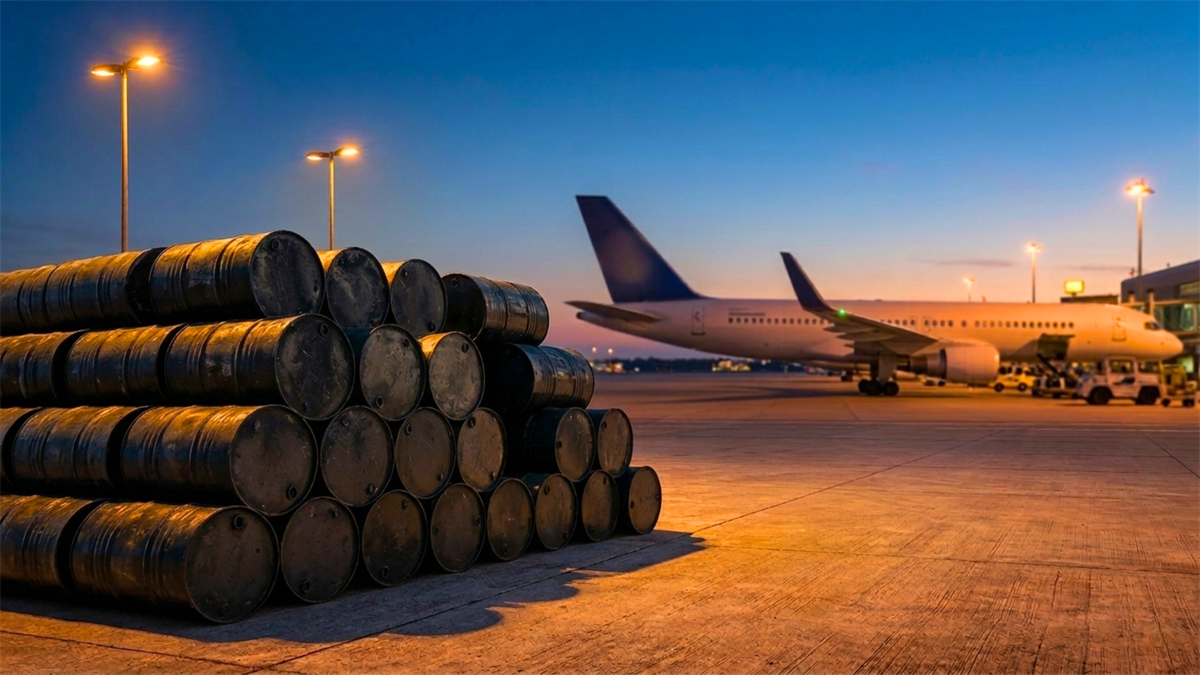
What You Need to Know - Many airline stocks have plummeted by 20% or more in the last month amid the start of war in Iran and related oil price volatility.
- Airline companies face numerous negative pressures related to the war, including canceled flights, the potential for suppressed demand, and more.
- Jet fuel prices and cracks have spiked, meaning that even airlines not doing business within the area of conflict will feel the repercussions.
As the war in Iran appears likely to continue, it may be no surprise to investors that airline stocks have been among the first to feel a significant impact. These shares are closely tied to the cost of fuel, geopolitical stability, and consumer demand—all three of which are increasingly erratic as the war escalates and incorporates a broader geography. Both major carriers and even smaller domestic and regional names have seen their shares decline sharply: Delta Air Lines (NYSE: DAL) and American Airlines Group Inc. (NASDAQ: AAL) have fallen about 22% and 27%, respectively, over the last month. For investors, a price decline may present an opportunity to strengthen a position in the airline industry. However, it's important to consider whether the initial shock of the war—and the associated oil-price concerns—justifies the selloff given the industry's recent domestic resilience. If a prolonged conflict could trigger further declines, waiting to enter or build a position may be the prudent approach. Major Air Carriers Face Multiple Negative Drivers Med-X is gearing up for a possible Nasdaq listing (ticker: MXRX). But the real opportunity is now – before they hit the big stage.
Their all-natural pesticides have outperformed chemical brands in independent lab tests, providing safer solutions without sacrificing results.
With $6.4M in sales in just four years, they're getting ready for the next step. Become a Med-X Shareholder Before Their Nasdaq Plans Unfold Delta, American, and other major airlines have been hit particularly hard since the conflict began because of several compounding negative factors. First, thousands of commercial flights to and from locations across the Middle East have been canceled. Airlines in these cases absorb operational and logistical costs while also losing potential revenue. Second, and perhaps most important for the industry, is the jump in jet-fuel costs. The Argus US Jet Fuel Index climbed to $3.88 on March 6 from $2.50 just a week earlier. While the crude oil market has been volatile since the start of the conflict, refined petroleum products have come under even greater pressure. Jet-fuel prices and "cracks"—the differential between crude oil and the refined jet fuel derived from it—have widened significantly. Finally, consumer demand is a more diffuse but still concerning factor. In its latest earnings report, Delta remained optimistic about demand despite worries around the government shutdown, citing loyalty and cargo growth and improvements in non-ticket revenue. United Airlines (NASDAQ: UAL) said much the same in its Q4 2025 report, pointing to its highest-ever seat completion factor and a 12% year-over-year surge in premium revenue. As consumers brace for higher gasoline and other prices tied to oil-market volatility, leisure travel demand could weaken as households reallocate spending. That impact may take time to show up in airline results and could persist even after oil transport and inventories stabilize. Can Regional Airlines Fare Any Better? Even carriers that do not operate in the Middle East are likely to be affected, largely through exposure to fuel costs. What about domestic-only carriers or airlines based outside the U.S.? So far, these companies have not fared much better. One relative bright spot is Air Canada (TSE: AC), which has fallen only about 13% in the past month; however, that's hardly a victory for the sector as a whole. Some Wall Street analysts have already adjusted expectations accordingly. Since the start of the month, for example, Weiss downgraded DAL to Hold from Buy and other firms have trimmed price targets. That has led some investors to wait for further declines before taking new positions. Watching short-interest trends can also help gauge market sentiment. Several carriers, including American, were already facing rising short interest before the conflict began, and that pressure may increase. Ultimately, depending on how long the war continues and how it evolves, the start of 2026 may feel eerily similar to early 2020, when COVID-19 grounded the airline industry worldwide. To reach those pandemic-era lows, share prices would have to fall considerably further than they have so far. Bearish investors may choose to wait and see how low airline stocks will go.
| 
