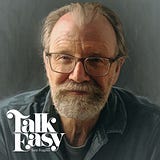
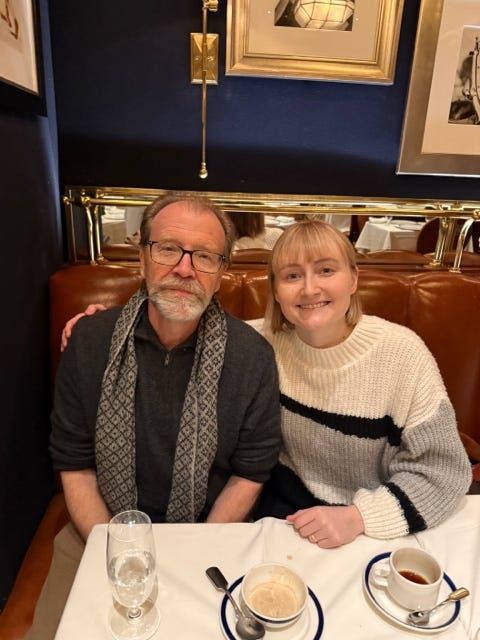
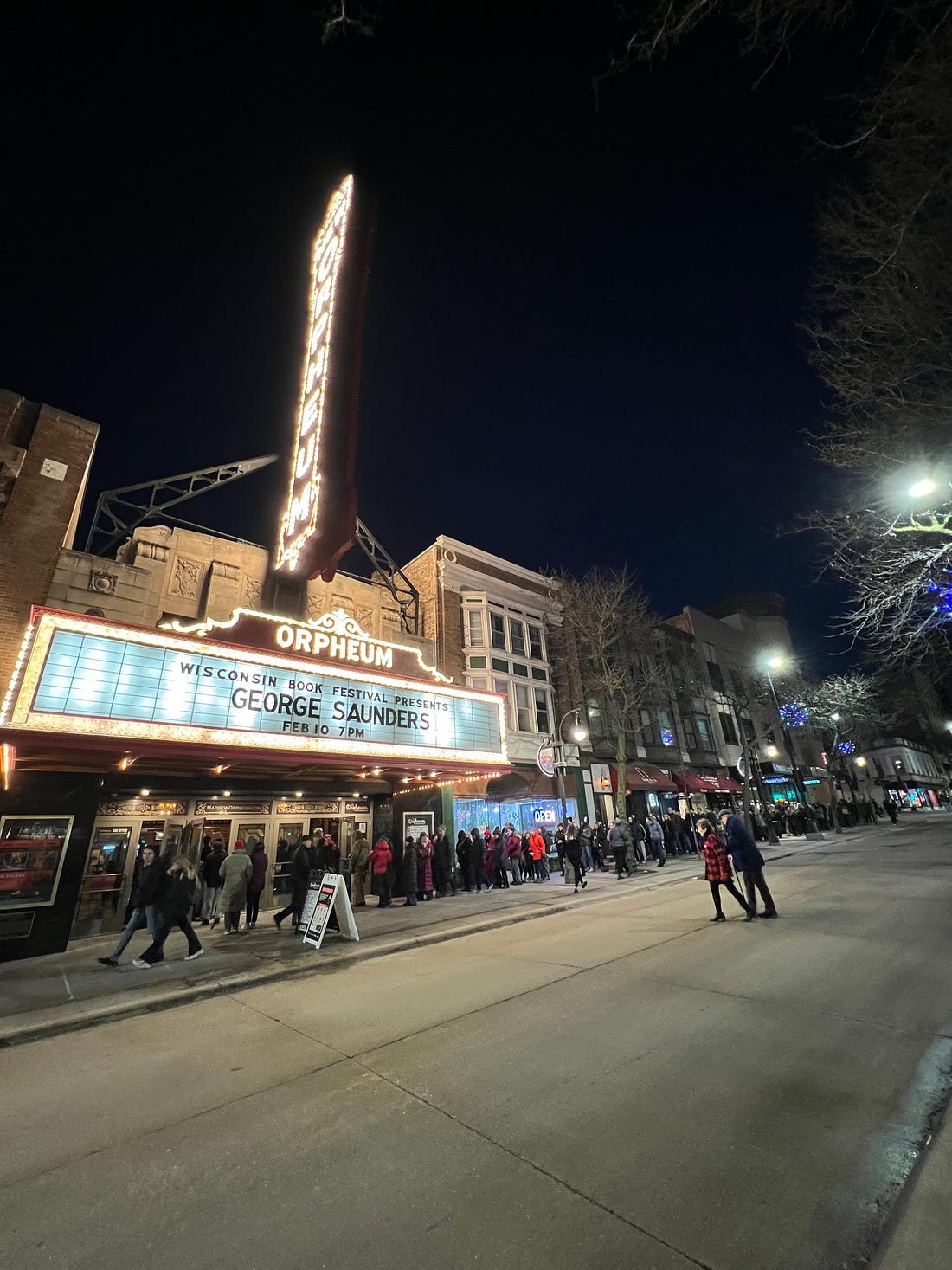
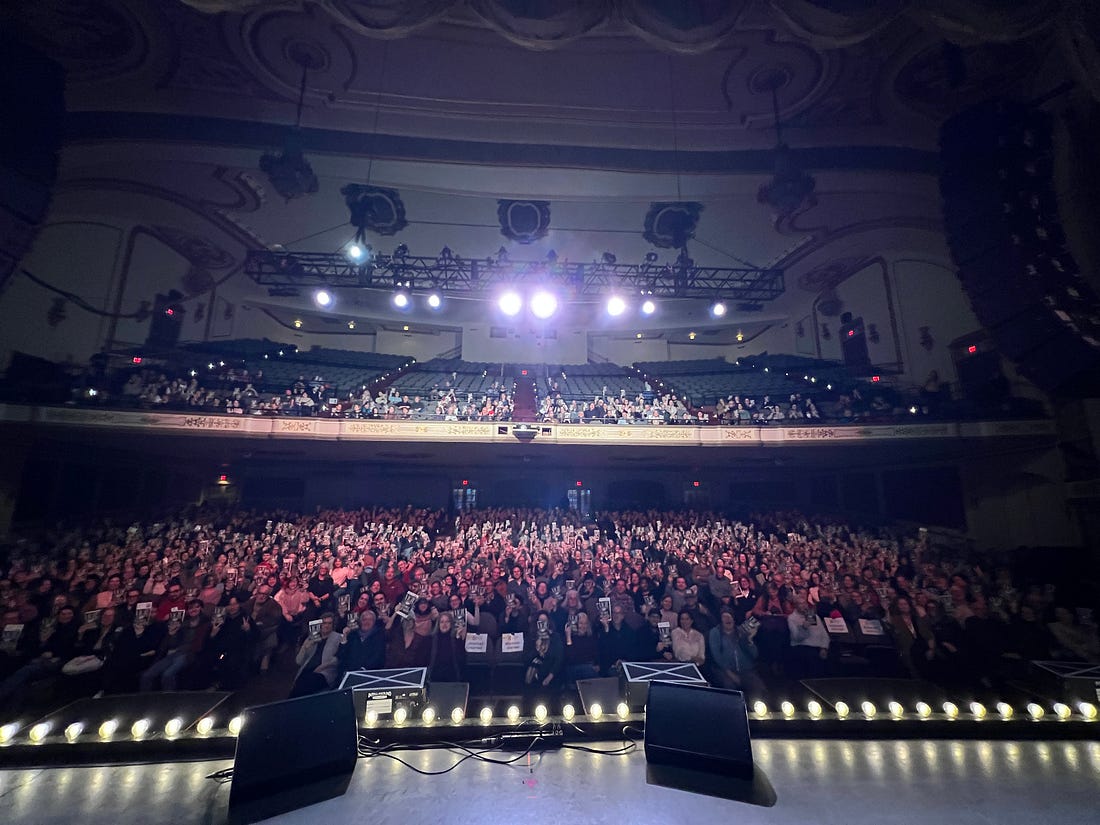
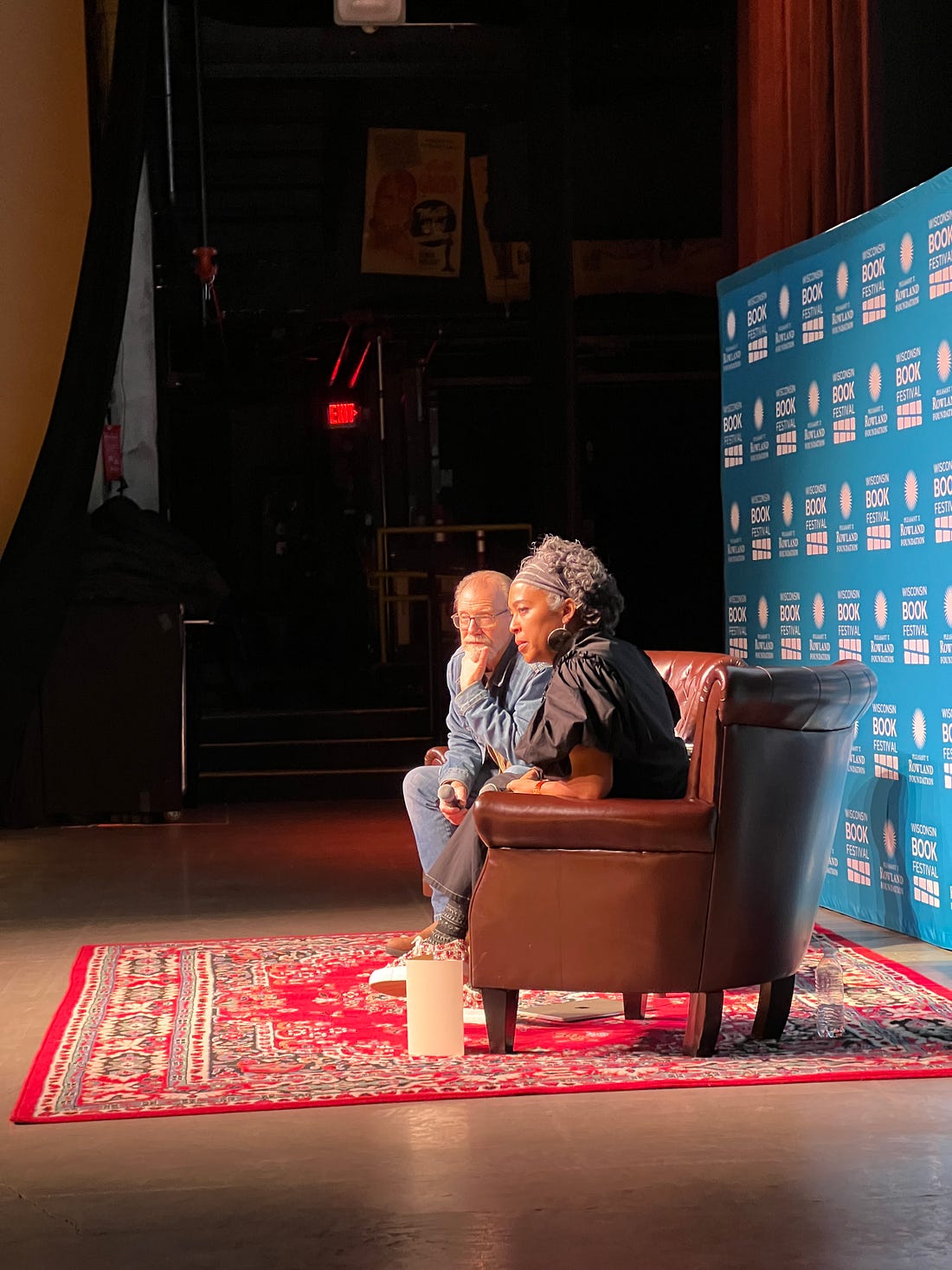
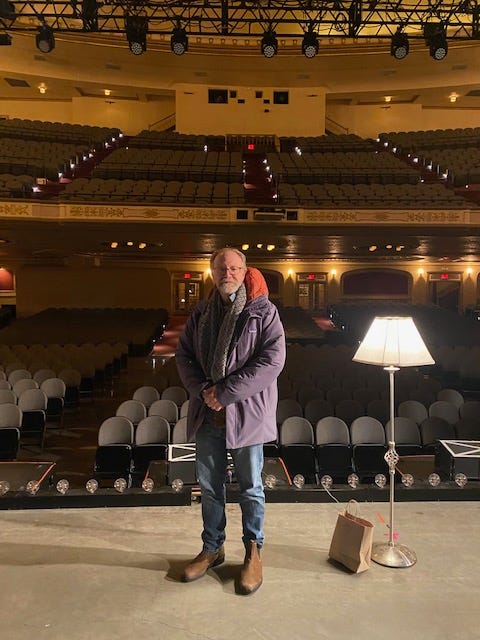
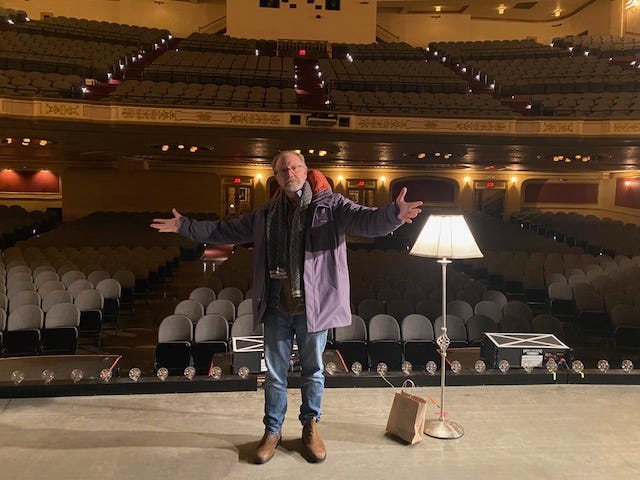
Hi everyone, What a thrill, to be meeting so many of you on the road. And friends from high school (hi Paul P.)! And grade school (hi Joanne D.)! Since my last post, I’ve been in Chicago, Madison, and St. Louis. I’ll be in Baltimore tonight (Thursday) and then on to New Orleans to spend a few days with my parents. Then on to London. Speaking of London, tickets are still available for my event with the brilliant Richard Ayoade, and you can get them here. Richard and I have been working on a film adaptation of The Semplica Girl Diaries and that has been a great occasion to get to know him and have access to his kind spirit and his deep knowledge of cinema. In other book-related news… I had a mind-blowingly good talk with Sam Fragoso on his podcast Talk Easy about the book and many other things. Sam and I have talked several times before and he always, somehow, gets me going a little deeper into things than I’m expecting, which is a tribute to his interviewing skills, and also to his deep sense of curiosity. You can listen here:
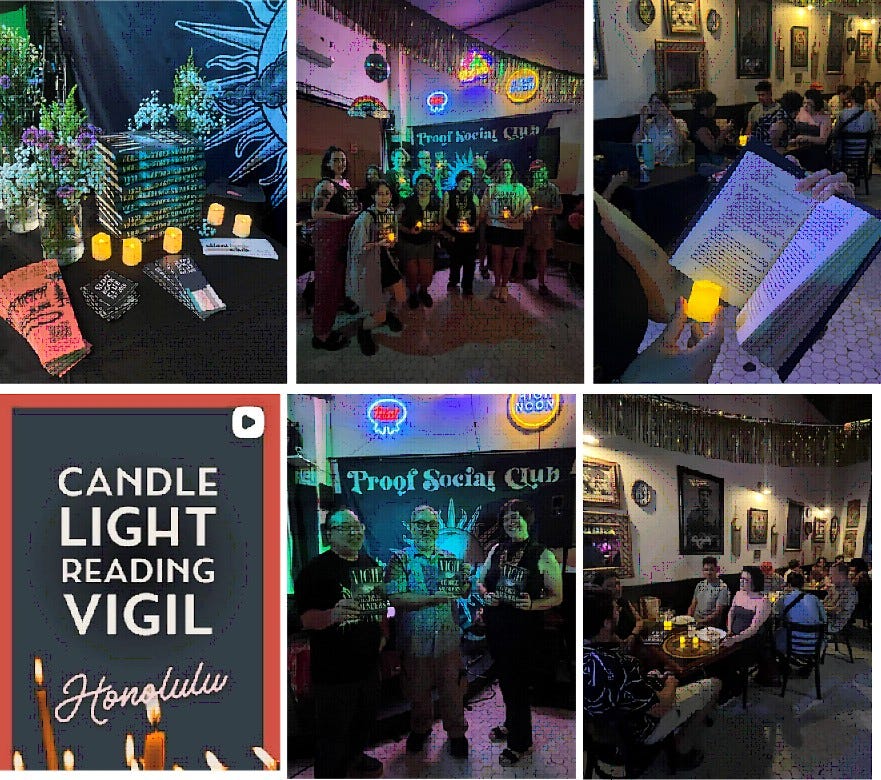
I also had the pleasure of a revelatory conversation with Ezra Klein when I was in New York a few weeks ago. He is a great mind and we were able to talk deeply about Vigil and what it really means (which, in truth, I am only gradually discovering). You can find that interview here. Vigil was NPR’s Book of the Day on Tuesday and they’ve featured a replay of my All Things Considered interview. I also wanted to share two interesting essays on the book that have made their way to me. I really appreciated this take on the book by Tess Callahan, at Electric Literature…(I shared this last time too but just in case it got lost). And this one (below), by Myles Werntz, associate professor of theology at Abilene Christian University, at The Metropolitan Review:  This book has had the widest range of reviews any of my books has ever had, from the ecstatic to the dismal, and I’m coming to like this (sort of, ha ha). I’ve always had a feeling that the role of a book is to make sparks, and that seems to be happening. *** Finally, on the book front, I thought this was interesting: In Honolulu, Huntsville, AL, Denver, Tampa, and Atlanta, folks have come together to read Vigil silently in different venues (see photos below). Also, two Silent Book Clubs of Death (!), in NYC and LA, held an Instagram live chat with a death doula.
Now, back to work. I’ve still got another 18 days of travel left on this tour. It’s kind of hard for me to do our Sunday work of reading and analyzing a published story - but I think it’s time we got back to it. So, I thought I’d do an Office Hours question (below) and then, on Sunday, for our paid subscribers, send out a story for us all to work on together. It’s been awhile and we don’t want to let our minds get out of shape, ha ha. So, our question for the day: Q. Dear George, I recently wrote the first draft of a novel in less than a year. This thing tore out of me — it kind of felt like screaming onto the page. But once it was written, I felt a little uneasy about it, so I put it aside. And the more that I reflected on it, the more resolute I was that I didn’t want to go back to it. You see this novel, unlike most of my fiction, came from my real-life experience of having had breast cancer. It’s about a character who goes through the experience of being treated for breast cancer — though with a few fictional confabulations that helped to ‘contain’ some of the extremities of the experience. But the thing was, as time went on, six months, a year I found I had very little desire to return to the draft. Don’t get me wrong, I don’t regret writing it. I think it was a deeply therapeutic thing to do — by narrativizing it, I think it allowed me to give structure to an experience that felt chaotic and beyond my control. But when I reflected on the draft, although it made a passable narrative and featured some interesting stylistic elements, it seemed somehow thin and superficial. It did not seem to have the depth of meaning, or potential depth of meaning, that a novel requires. It was like the draft was racing across the surface of something, but not through or into something deep if that makes sense. Sorry for the long-winded question, but I’m wondering if you have ever had a similar experience? If there have been any times when you have just known that a draft does not have what it needs to be taken further? I think what I’m particularly interested in is the feeling that this draft did not have the ‘depth’ it seemed to need — does that concur with anything you’ve experienced? By the way I adore Story Club — the practical and honest way you write about craft really makes a lot of sense to me, particularly the idea that a story is a system for the transfer of energy. Also the acknowledgment that there is no one ‘right’ way of writing — it’s very liberating.
Dear Questioner, So, first, I’m so sorry you had to go through that and I hope all is well now. This life - when things are good, we think they will be forever so, and then that curtain parts, and we see that a good day, without worry, is an utter miracle. We are all sending our very best wishes. And thank you for the question. I, yes, have had that exact experience. When Paula and I were first married, I wrote a 700-page book after returning home from a friend’s wedding. I’ve told this story a lot before so I’ll just say that…it didn’t work. And I abandoned it, after Paula tried and failed to read it. It, too, was from life (it was “about” that wedding), and had the quality you mentioned above – it seemed to exist to document the event. It didn’t have any dramatic shape and didn’t involve any significant invention. I made a little something up at the end, in an attempt to give it some shape, but that event felt tacked on and out of relation with everything that had come before. I still have that draft. But I would never (ever) go back to it. Well, why not? It’s not that the draft is un-revisable. I don’t actually think anything is un-revisable, if the desire to revise it is there. But that’s just the point: I have no desire to revise it, at all. It feels like it would be a terrible chore. And that, for me, is a deal-breaker. Fun, I have found, is a big and necessary part of my process. What I’m calling “fun” entails a sense of exploration and experiment. I feel like I have to get into a state of, let’s call it, “merry befuddlement.” I have to feel that I’m not at all sure what I’m doing, other than steering toward the fun. There can also be an element of fear there: “This might be really terrible.” There might be a feeling of not being able to see how the thing could ever resolve - which is good, because that means the reader can’t see it either. So the reader and writer are both merrily befuddled together - yoked together in that noble cause of trying to figure out what the book is trying to say. But, for me, the driver - the only driver - is a sense of fun - or what we might call “forward-propelling confidence.” I can’t overemphasize how important this feeling of anticipatory joy is for me.
No doubt, dear Questioner, your novel must entail a lot of unpleasant memories, and it makes complete sense that you might not want to go back to it for that reason alone. But I suspect your artistic self is reacting a bit, also, to the overdetermined nature of it. You didn’t write that first draft to interrogate a mystery, it doesn’t sound like, but to document, or otherwise be in relation to, a thing you lived through. Which is wonderful, and valid - but it sounds like the idea of going back to it, to find out what else might be in there, doesn’t interest you. Which is also wonderful and valid.
I had a very rich experience in the days following Paula’s read of my novel – I was bummed-out but with a dawning feeling of euphoria. I didn’t have to be wedded to that book anymore! I could walk away and start something fresh, with a suddenly-unhandcuffed feeling! I could do what I liked, rather than what I felt I must. And I started my first published book a few days later, in that flood of relief and freedom.
So, the issue might not be that your draft doesn’t have depth, but that your interest in it is not sufficient to find sufficient further depth in the next revision, if you see what I mean. And I think that feeling is to be respected. What we do takes all of our energy and even the slightest withholding can be costly. I wonder if you might want to say something to yourself like, “That is really good that you wrote that draft. No doubt, you learned a lot by doing it. And rest assured that all of that technical knowledge, as well as the emotional knowledge you gained by going through that difficult life experience, will be contained in whatever you try next. It will! How could it NOT? Therefore, take heart and DO WHAT YOU WANT. Because nothing in art is ever lost.” Something like that might make it easier to walk away from that draft, if this is what you decide to do – it might serve as a a ritual blessing of (and “thank you” to) all of the hard work you put into the draft, a form of self-consolation, a self-reminder that no part of our hard work is ever wasted - never. All of our work is perfectly conserved and we benefit from it in the next thing. Is this strictly true? I’m not sure - I only know that it helps me if I imagine that it is so. What do you think, Story Club? Any good abandonment stories? When, if ever, do YOU cut and run?
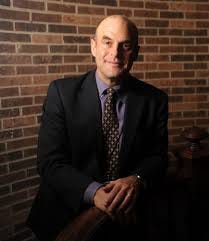
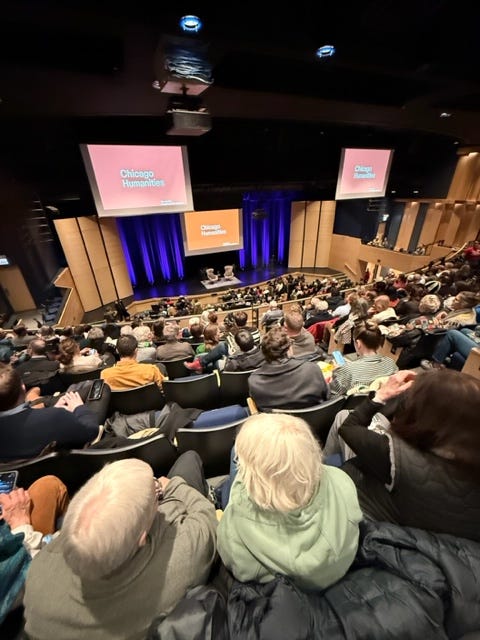
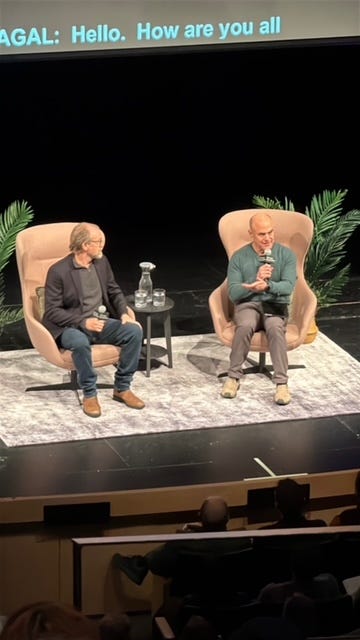
Now, for some tour thanks and photos… Thanks to Peter Sagal, my gracious host and dear pal, for the Chicago event…Peter is, of course, the beloved host of “Wait, Wait…Don’t Tell Me” and is such a funny, natural interviewer. I always love being with him.
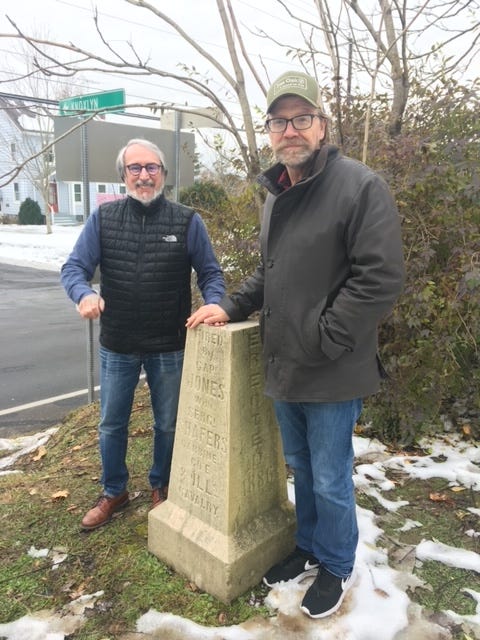
In Chicago, I was also happy to see my friend Daniel Weinberg, the owner of the legendary Abraham Lincoln Book Shop who, years ago, took me on a day-long walking tour of the Gettysburg battlefield that I’ll never forget.
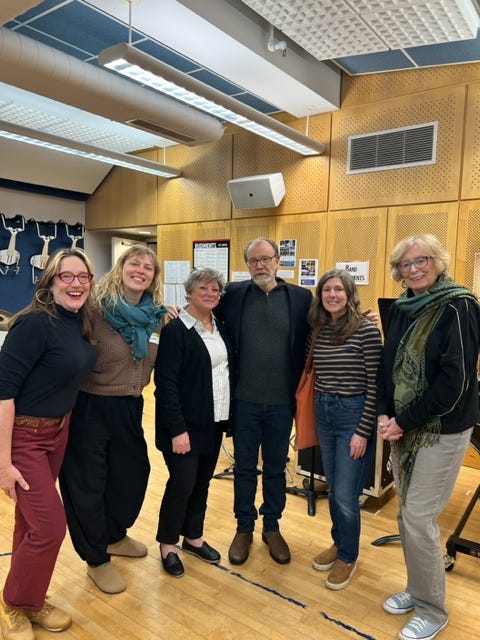
Also, it was good to see Susan Swearingen, who I’ve known since sixth grade (!) (when we were classmates at St. Damian’s, in Oak Forest) backstage with friends from her book club.
Before the event in Chicago, I got to have lunch with Rae Gray, one of the most talented actors of her generation, who I first got to know through her amazing work on the pilot we made of “Sea Oak” a few years ago. Here she is, on the left, with Jane Levy (and Glenn Close, taking a tumble in the background): 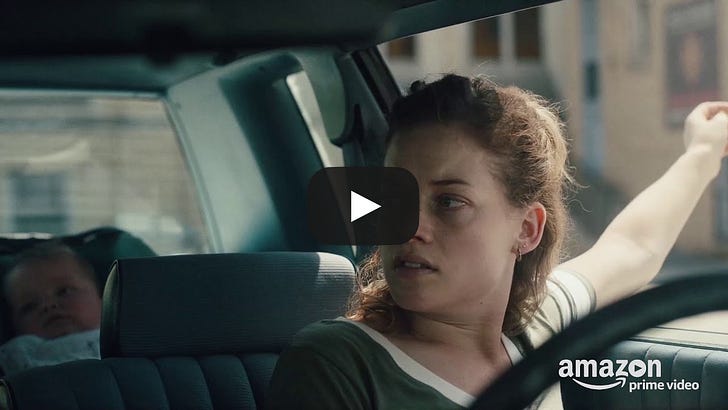 Rae is a lovely soul and a true artist, who also appeared in this (very dark, strangely funny) short film, Robbery (which has the shape and energy of a good short story). It’s always great to talk craft with her and find out that acting and writing aren’t really so different - we are both fans of purity, rigor, and discipline. 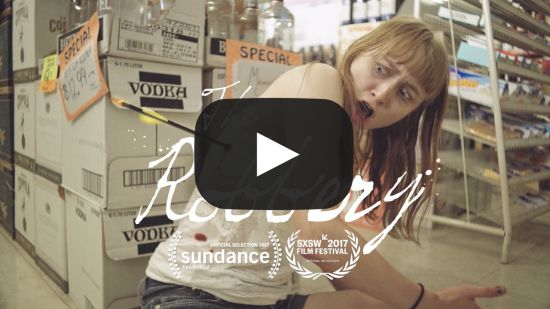
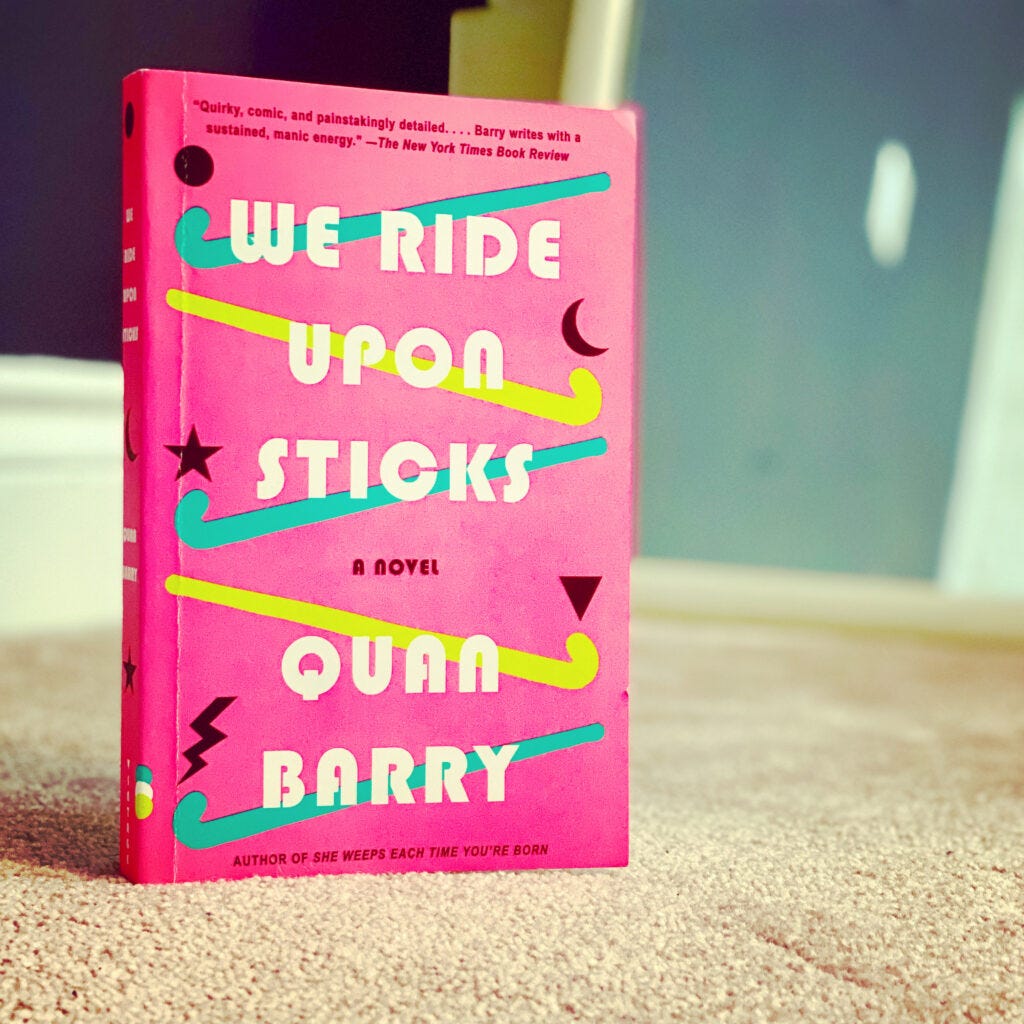
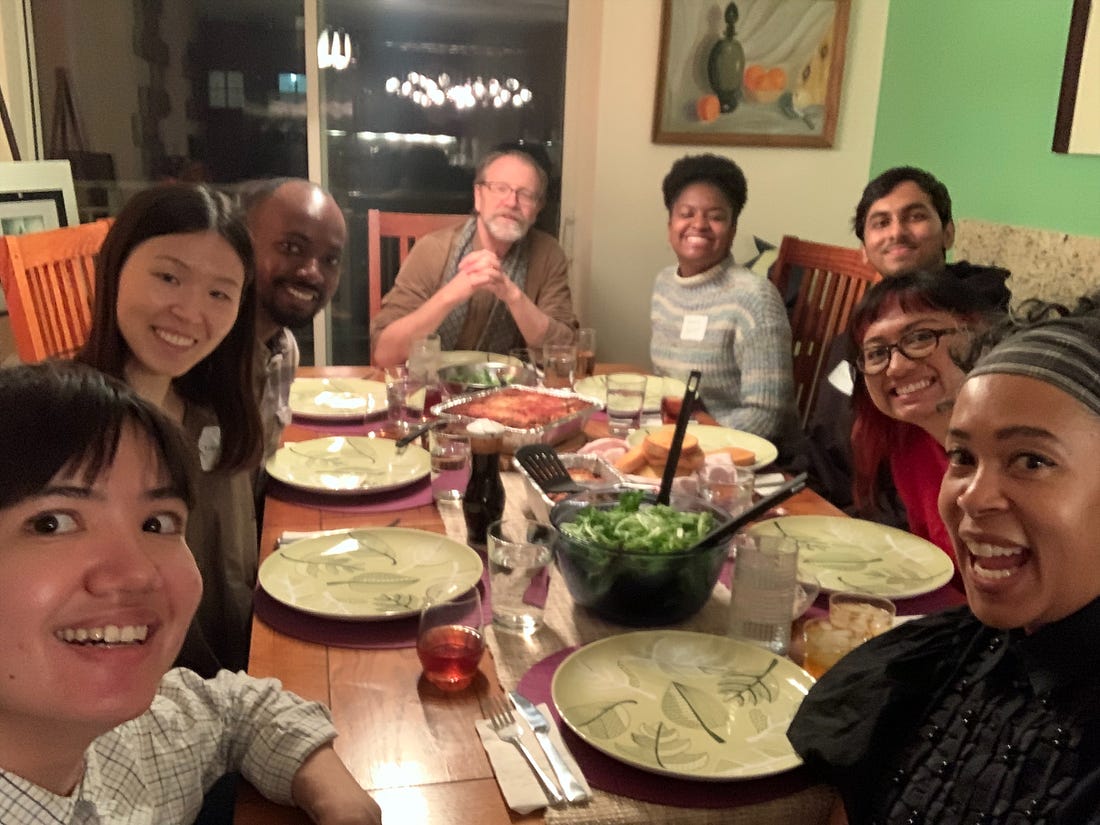
Also, huge thanks to Amy Quan Barry, who, for the Madison event, not only prepared a really funny Power Point for the interview, and did a generous and masterful interview, but hosted a beautiful dinner afterwards at her home with six of her MFA students, who were an inspiration. Amy is the author of several books, including, most recently, We Ride Upon Sticks.
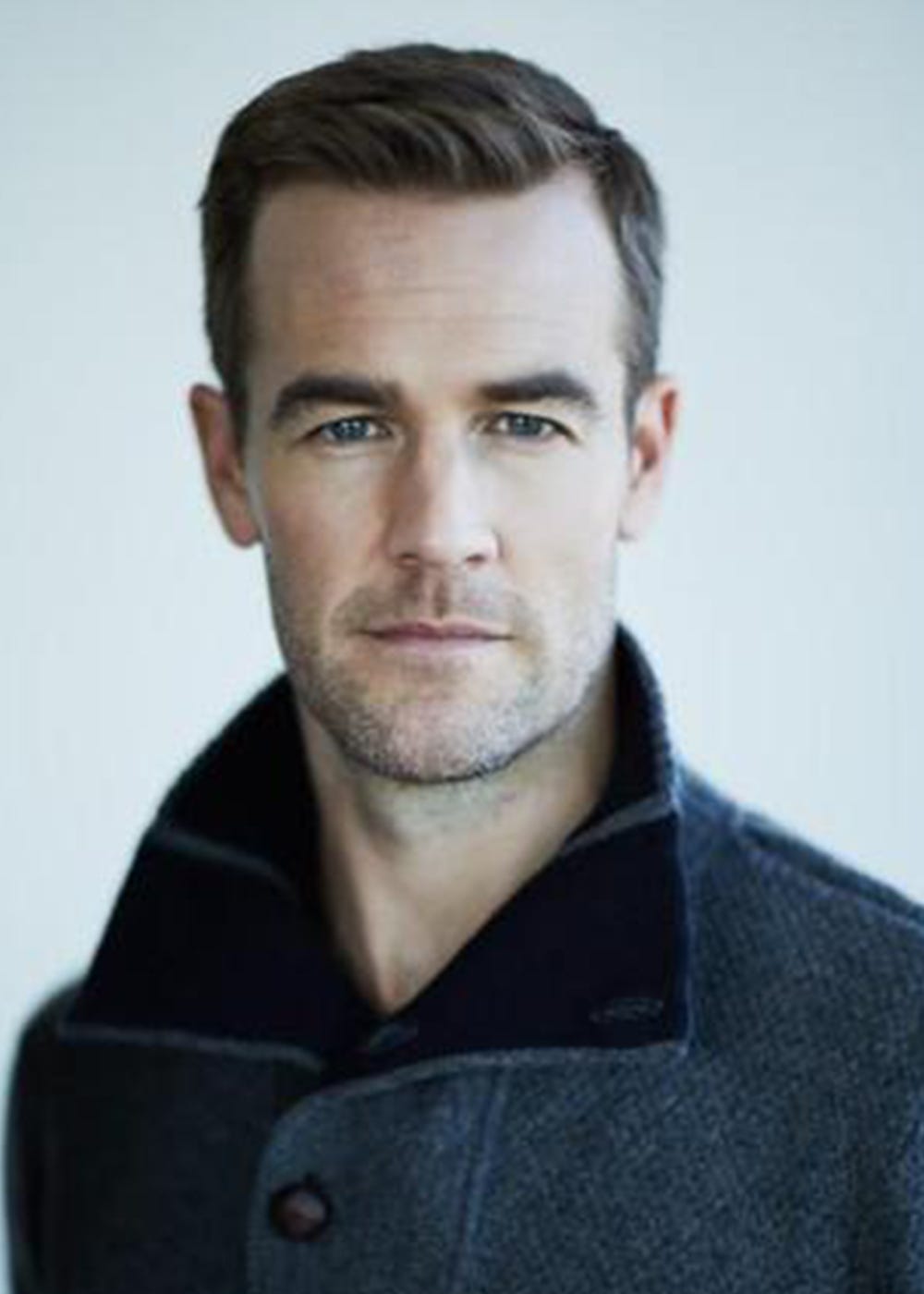
OK, onward! I feel very fortunate to be able to be out here doing this. If I ever needed proof that books matter, this tour is it - so many people in the signing lines sharing stories about the effects of my and other writer’s books on their actual daily lives. And the palpable generosity and kindness in the rooms and in the signing lines is…well, it’s tangible, and I feel it as an active counterweight to all of the stupidity and cruelty being rained down on decent people in this country from above. It’s quiet resistance and, actually, it’s not all that quiet. It’s intelligent and fierce and I really believe that if anything will get us through this, it’s this thing, which, really, is: community. And I’m so happy to be part of it. P.S. Ah, one more thing. Some of you will remember the Turgenev story “The Singers,” that I wrote about in A Swim in a Pond in the Rain. Check out the trailer for a new and very charming Oscar-nominated film, directed by Sam Davis, that riffs on that story, here. P.S.S. Ah, one more thing: I was very sorry to hear of the passing of James Van Der Beek. I got a chance to work with him on the above-mentioned pilot of Sea Oak. He played the boss in that story, Mr. Frendt. I have a lot of nonsense-talking bosses in my stories and James found the perfect voice and pace. He was one of the most present and kind people I’ve ever met, who made everyone feel at home. I remember especially how warmly he spoke of his family. Rest easy, James, and thank you for making our lives better.
You're currently a free subscriber to Story Club with George Saunders. For the full experience, upgrade your subscription.
|