Hey readers,
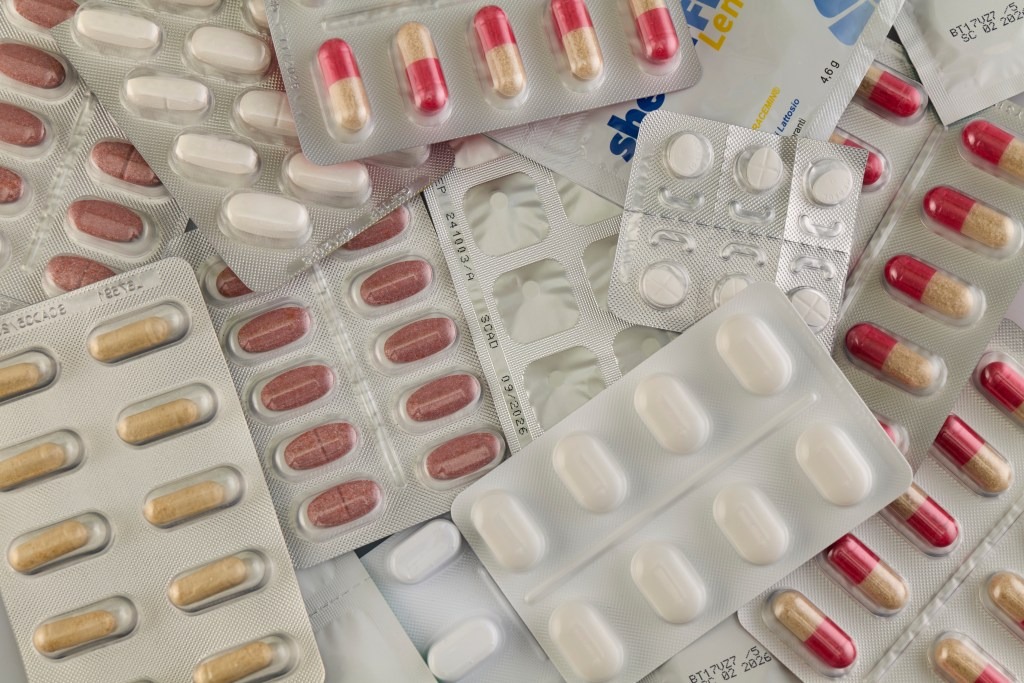
It's Shayna here. Accidentally poisoning yourself is much easier than you might think. Once, I took two antihistamine medications on the same night and panicked when Google told me that there might be an interaction between them. So, I called the toll-free Poison Help Line — 1-800-222-1222, listed on many household chemical bottles — and they told me that I was fine, saving me from an unnecessary emergency room visit and needless stress. Beyond reassurance, the US Poison Center Network — a constellation of 53 regional centers serving every state and territory — offers life-saving first aid guidance and useful data surveillance. Staffed by medical professionals trained in toxicology, many centers now also offer text and live chat services in multiple languages in addition to the traditional 24/7 helpline. From your grandma unwittingly eating your marijuana-laced brownie to your child swallowing an unknown pill, poison control is there to walk you through what to do next. Many accidental poison exposures are able to be safely managed at home with expert assistance. In the past 30 days alone, there have been 201,545 reported poisonings in the US, according to the National Poison Data System. With so many poisonings happening all of the time, the Poison Center Network is incredibly valuable. In fact, it saves about $3.1 billion every year in health care and productivity costs, according to a new report from RAND, a nonprofit policy think tank. It found that, for every dollar invested, American communities get $16.77 in benefits from lower emergency department use, less time spent in the hospital, better health outcomes, and lower risk of death. Poison centers are an undersung public health win — a model that has worked, and evolved, over the past 70 years, even as Google and AI become many people's first go-to for information, even in a crisis. |
Hollowing out a vital lifeline
However, recent budget cuts threaten poison centers' ability to carry out their life-saving mission, and federal and state funding has not been adjusted for inflation in over a decade. Poison control centers depend significantly on federal funding sources like Medicaid and the Children's Health Insurance Program, which have faced significant cuts in recent years. The average operating costs for a poison center ranges from $1.2 to $7.2 million, excluding subsidized support. All together, federal funding for poison centers saves $450 million in health care costs alone annually, making them a pretty clearly good investment on the math alone — not to mention the lives and suffering saved. The network also contributes an incredible wealth of health and safety information. Its crown jewel, its data system, is the only near-real time public health surveillance system of its kind in the US, with data uploaded every 4.97 minutes. It's helpful for that data to be as up-to-date as possible, because one poison exposure is reported to a center every 15 seconds. And their mission has expanded. Poison centers have taken on a greater role in emergency preparedness and response, and many provide additional functions like operating a rabies and Covid-19 hotline, conducting research, and providing telehealth delivery. These "ancillary functions" can generate revenue for the centers providing them through government or industry contracts, helping them to cover operational costs, but they require the centers to offer additional services on top of their core toxicology work. Even with the current coverage, more than 100,000 people in the US died from preventable poisonings in 2023. Since 2000, poison centers have averaged more than 3.3 million encounters each year. While total touchpoints have declined since the 2010s, probably because of new online information sources, the average severity of cases has increased. The report found that 30 percent of human exposure cases came from a health care facility or provider contacting poison control, suggesting that poison centers are spending more time and resources on the cases that come to them. It can be hard to access health care services, and people need accurate and actionable information in a crisis. And with potentially unreliable and unvetted information online, poison centers, staffed by trained professionals, are a lifeline. If you want to find your local poison center and find out how you can support them, click here. |
|
|
| Shayna Korol
Future Perfect fellow |
|
|
| Shayna Korol Future Perfect fellow |
|
|
The Vox Membership program is getting even better with access to Vox's Patreon, where members can unlock exclusive videos, livestreams, and chats with our newsroom. Become a Vox Member to get access to it all. |
|
|
Australia is doing absolutely everything to protect its most iconic ecosystem — except the one thing that really matters. |
An exclusive look inside the largest effort ever mounted to keep the Great Barrier Reef alive. |
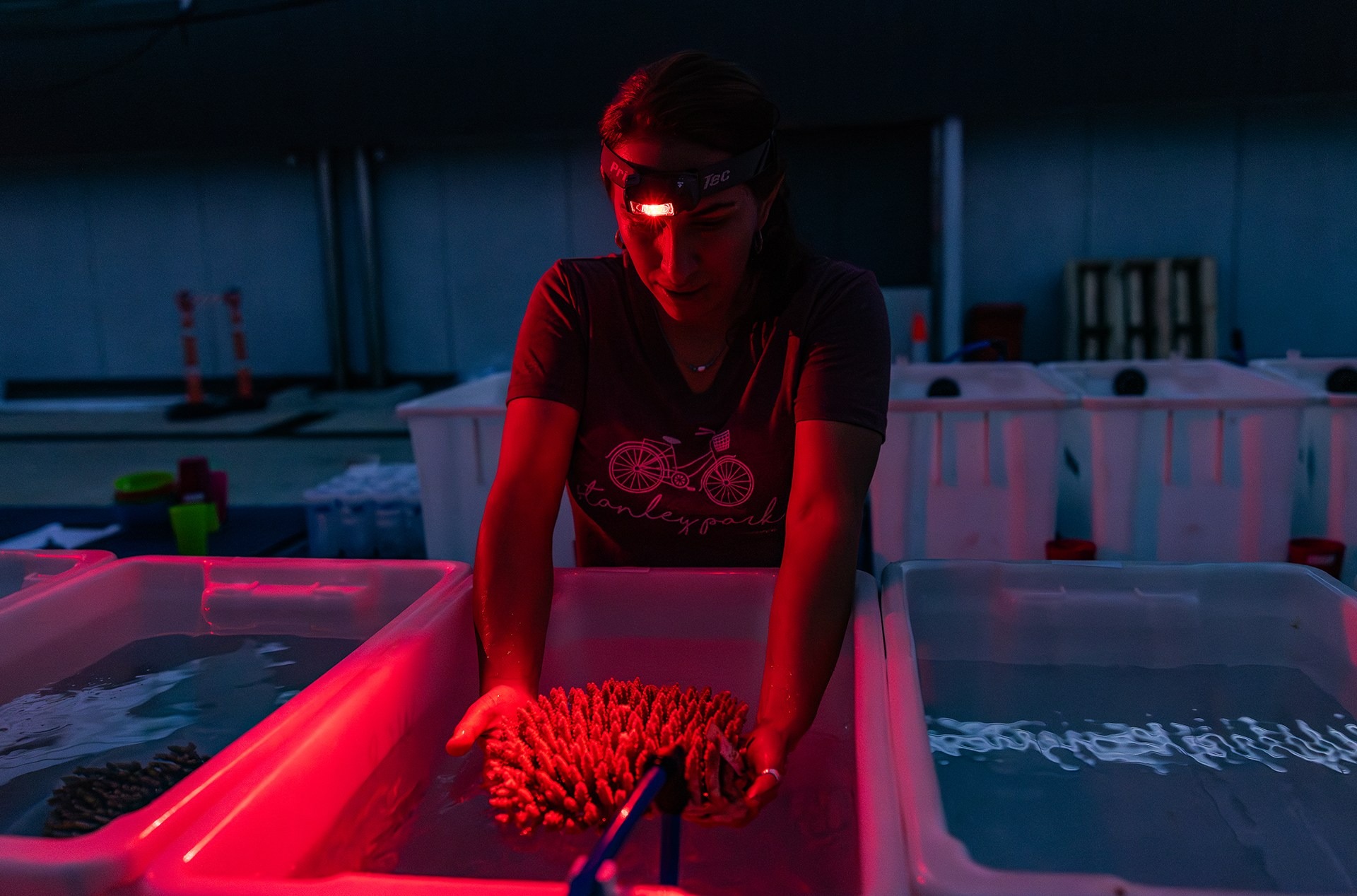
What happens when an ecosystem on the brink receives the full weight of human ingenuity — and even then, it still might not be enough? This week, we published an exclusive look into the largest coral restoration effort ever attempted. Australia is mobilizing hundreds of scientists, cutting-edge technology, robots, floating nurseries, millions of baby coral grown and reseeded by hand and years of research to keep the Great Barrier Reef — the largest living structure on Earth — from collapse. It is the most ambitious intervention of its kind. And even at this scale, the outcome is uncertain. Environmental correspondent Benji Jones reported this story from two weeks in the field this past December, embedded with the people racing to save the reef. He joined night crews on the wild ocean as they tracked and collected coral spawn during the largest reproductive event on the planet. He observed assisted spawning and coral breeding — or "coral IVF" as researchers call it — inside SeaSim, a state-of-the-art lab that functions like a coral nursery on an industrial scale. And he logged hours underwater, diving the reef itself to see both the astonishing life it still supports and the damage already done by warming seas. Benji's story shows what is possible, but also what seems both futile and absurd. Australia is doing almost everything imaginable to protect its most iconic ecosystem — except the one thing that ultimately determines whether any of this will last: cutting global carbon emissions fast enough.
This is a deeply reported and visually stunning account (seriously, don't miss Harriet Spark's incredible photography) of a world trying to outrun its own warming. It's essential reading for anyone who wants to understand the true scale, and limits, of climate solutions. —Paige Vega, senior climate and Future Perfect editor |
|
|
Deputy editor Izzie Ramirez and senior editorial director Bryan Walsh argue whether the latest use of virtual reality is dystopian or not. |
|
|
| Izzie Ramirez
California prisoners are using virtual reality headsets to escape the monotony of incarceration. Listen, I get it — enrichment is important for rehabilitation and well-being. But ever since I read this incredibly heartbreaking piece about the Metaverse a few years ago, I've walked back my stance that VR escapism can be a good thing. (And that's saying something, I used to design VR "spaces" a few years ago.) A fake version of something beautiful isn't a substitute for the real thing, and inmates deserve to experience the outside world in the flesh, just like anyone else. |
|
|
Bryan Walsh
I'll admit that "VR headsets used to give incarcerated people a brief taste of the outside world" sounds so dystopian, even Philip K. Dick would have rejected it as too much. And given the brutal conditions inside so many American prisons, it's difficult to imagine any piece of technology could be anything more than a Band-Aid. But I do believe in the value of amelioration — the goodness of taking steps to make even the most awful institutions a little less awful. Reducing suffering doesn't mean endorsing the setting in which that suffering is occurring. If VR technology can be used to better allow an inmate to escape — even only in their mind and only for a moment — the experience of incarceration, or better process the traumas that may have helped lead them to this point, I think that's a good thing. (Creative Acts, the nonprofit that runs the VR exercises, says that prisons that have piloted the program have seen a sharp reduction in infractions committed by inmates in solitary confinement.) And if the technology can be used to help inmates prepare for experiences beyond the prison walls, like virtual job interview training, then we can all benefit. |
| |
|
⭐ ONE WAY TO DO GOOD THIS WEEK |
Baby, it's cold outside. I don't know about you, but here in New York City — where the wind chill dropped into the single digits this week — I've been bundled up in layers of heat-tech turtlenecks, puffer jackets, beanies, and fuzzy socks all winter long. Lucky for me, I now have plenty of options for staying warm. A few weeks ago, I hosted a winter clothing swap where my friends and I drank hot chocolate, plucked a few rarely used items from one another's wardrobes, and then went together to donate the bulk of what we brought and was left unclaimed. Together, we were able to clear out our closets while giving away bags and bags of gently used coats and other cold weather essentials. Clothing insecurity — the inability to pay for adequate clothing — affects a staggering two in five kids in the US, and can quickly become deadly in the wintertime. So face it, you'll probably never actually reach for the spare jacket or slightly-too-small sweater lying in the back of your closet. But it might be just the thing that one of your neighbors really needs.
And if you hate your friends' sartorial choices, then feel free to bypass the clothing swap altogether and skip straight to the donation drive. There are plenty of organizations out there happy to help give away your gear. —Sara Herschander, Future Perfect fellow |
|
|
Want more Future Perfect in your inbox? Sign up for more newsletters here. Need advice? Submit a question to Sigal Samuel's advice column Your Mileage May Vary. |
|
|
Today's edition was edited and produced by Izzie Ramirez. We'll see you Wednesday! |
|
|
|