At least according to a major new review of 73 trials.
͏ ͏ ͏ ͏ ͏ ͏ ͏ ͏ ͏ ͏ ͏ ͏ ͏ ͏ ͏ ͏ ͏ ͏ ͏ ͏ ͏ ͏ ͏ ͏ ͏ ͏ ͏ ͏ ͏ ͏ ͏ ͏ ͏ ͏ ͏ ͏ ͏
| | | | | Exercise reduces depression symptoms about as effectively as therapy, according to a major review of the evidence. And it doesn't appear to matter what exercise you do — consistent walking, dancing, or gardening all send the same signal to a stuck nervous system. | | | | | | | Let's look into it,
Tim Snaith
Newsletter Editor, Healthline |  | | Written by Tim Snaith
January 28, 2026 • 3 min read | | | | | | | |
| |  | | | | How movement shifts your mood | | The review examined trials involving nearly 5,000 adults with depression. When researchers compared exercise to doing nothing, they found moderate symptom relief, results similar to those with therapy. | | The type of movement matters less than you'd think; it appears to be consistency that really counts. So, why might exercise work? | | A 2024 systematic review identified three mechanisms: | 🔥 Reduced inflammation: Chronic inflammation is linked to depressive symptoms. Movement helps calm it down.
🌙 Better circadian rhythms: Depression often disrupts your internal clock. Regular activity helps reset it.
😴 Improved sleep: Getting your sleep cycle to match your body's sleep-wake cycle can work wonders. | | While exercise can manage depressive symptoms, this doesn't mean it replaces therapy or medication. They do different things. For severe depression, these treatments may need to come first, building momentum until movement feels possible. | | "Telling someone in a deep depressive episode to exercise is like handing someone with two broken arms a life raft and telling them to swim," warns registered psychologist Rod Mitchell, MC, MSc. | | What you can do | | The National Institute of Mental Health says 30 minutes of walking daily can help boost mood. But you don't have to achieve that right away: | 🚶 Start where you are: Even a 10-minute walk counts. So does stretching in your living room.
❤️ Choose an exercise you'll actually stick with: Enjoyment predicts consistency, so make it something you like.
🧩 Layer it in: Exercise works best alongside other approaches — therapy, medication, social support — not instead of them. | | When to seek help | | If symptoms last longer than 2 weeks, you're withdrawing from life, or you're having thoughts of self-harm, reach out to someone. Contact the Suicide & Crisis Lifeline by calling or texting 988. | | | | Over to you: Do you exercise to boost your mood and well-being? Email wellnesswire@healthline.com and let us know. | | | | | | | 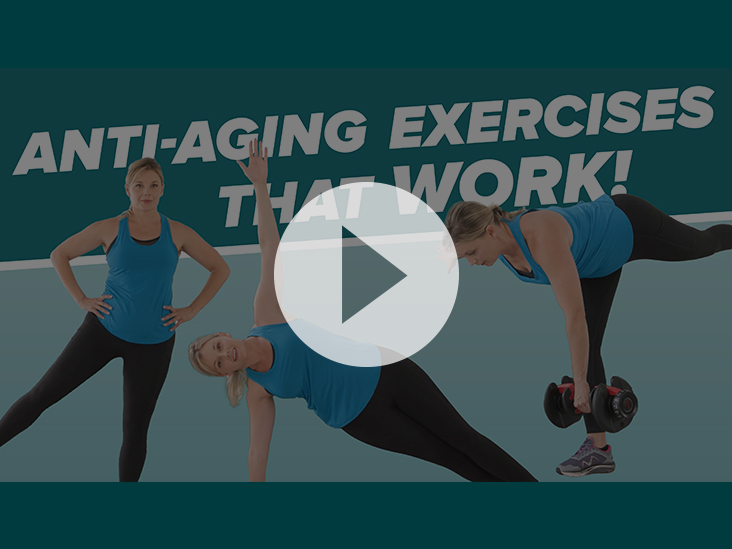 | | | The Anti-Aging Workout That Actually Works! | | Regular exercise significantly lowers your risk of diseases, such as heart disease and cancer, and helps you stay mobile. It also lowers stress and improves sleep, skin and bone health, and your mood. | | | | | | | | |   | | | | | | | | Until next time, |  | Take care of yourself, and we'll see
you again soon! | | |  | | |  | | This edition was powered by | | soup and buttered toast. | | | | | | | | View in browser
Did a friend send you this email? Subscribe here.
To see all newsletters, click here.
Privacy | Unsubscribe
We may feature your messages to our inbox within our content. Please do not provide any personal identifiable information. Replies may be edited for length and clarity. For more, see our Privacy Policy.
Our website services, content, and products are for informational purposes only. Healthline does not provide medical advice, diagnosis, or treatment and should not be used as a substitute for medical advice from a healthcare professional. Healthline encourages you to make any treatment decisions with your healthcare professional.
Every product we recommend has gone through either Healthline's or Optum Now's vetting processes. If you buy through links on this page, we may receive a small commission or other tangible benefit. Healthline has sole editorial control over this newsletter. Potential uses for the products listed here are not health claims made by the manufacturers. Healthline and Optum Now are owned by RVO Health.
© 2026 RVO Health
1101 Red Ventures Drive
Fort Mill, SC 29707 | | | | |   | | |
| |


