Good day,
Thank you for subscribing to the Earnings360 newsletter, your daily source for quarterly earnings news and updates.
Each morning edition contains a wrap-up of today's pre-market earnings announcements and yesterday's earnings announcements after the closing bell.
Before we send you your first edition, please take a moment to confirm your subscription below. We will not be able to send your newsletter until you confirm your subscription.
Confirm Your Subscription Here
The Earnings360 Team
Today's Featured Content Battle of the Black Friday Stocks: Amazon vs. Walmart vs. TargetWritten by Nathan Reiff. Published 11/17/2025. 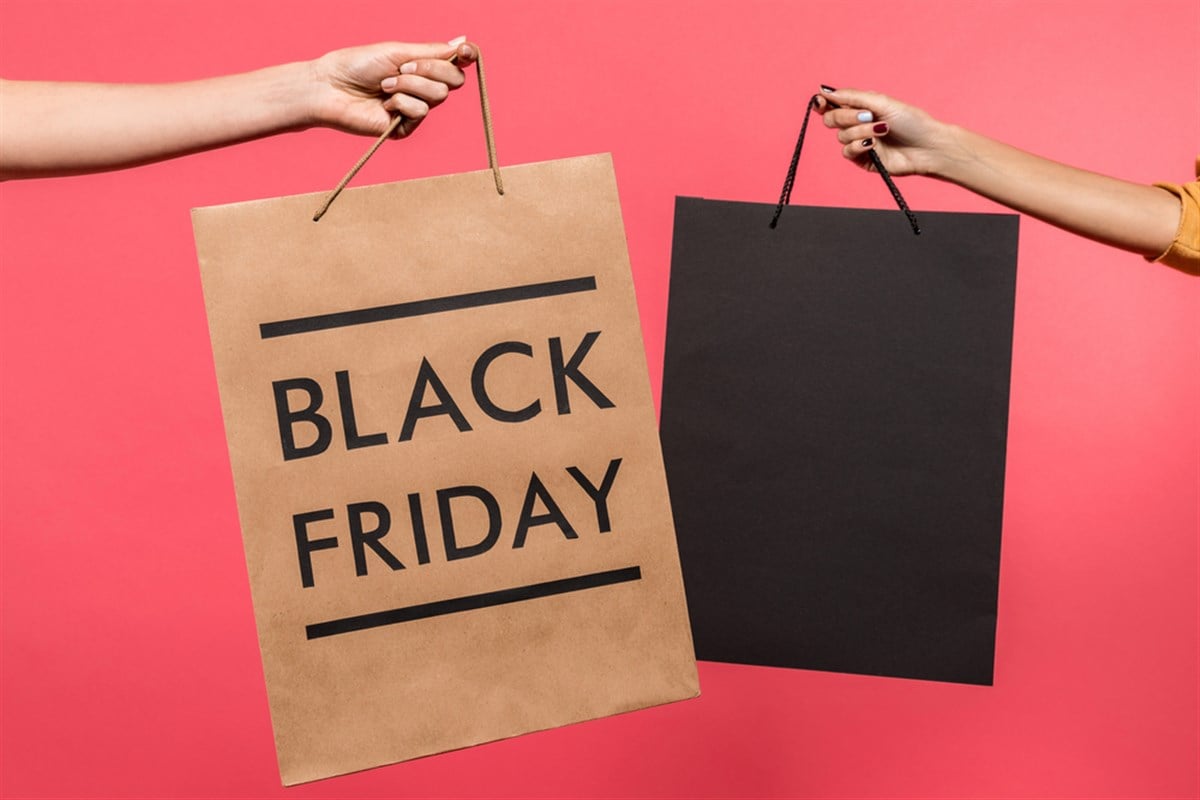
Key Points - U.S. consumers are projected to spend more than $1 trillion on holiday shopping for the first time ever.
- Major retailers like Amazon, Walmart, and Target are poised to benefit from this trend.
- Walmart's omnichannel approach may give it an advantage on Black Friday, but Amazon's unparalleled logistics network and competitive pricing make it an overall holiday retail winner.
As Black Friday's reach now extends to Small Business Saturday, Cyber Monday and, in some cases, the entire month of November, retail sales have expanded along with it. The National Retail Federation estimates that the 2025 winter holidays (November through December) will surpass $1 trillion in U.S. retail sales for the first time, an increase of 3.7% to 4.2% over 2024. Despite headwinds from waning consumer confidence and inflation, Black Friday remains a crucial driver of holiday-season spending. Three major retailers positioned to benefit from increased post-Thanksgiving spending are Amazon.com Inc. (NASDAQ: AMZN), Walmart Inc. (NYSE: WMT) and Target Corp. (NYSE: TGT). How might these retail giants perform in 2025, and which is likely to come out on top? Amazon: The Online Juggernaut In the United States, Amazon remains the undisputed leader in online retail. Although the e-commerce giant has diversified into cloud computing, advertising and other services, its retail business is still substantial. Amazon's Black Friday deals typically span nearly two weeks—this year running from November 20 to December 1—and cover all categories, with electronics, toys and beauty among the top sellers. In 2024, the company hosted its most successful Black Friday sales event to date and is widely regarded as offering the lowest online prices of any major U.S. retailer, a distinction it has maintained for nearly a decade. Amazon's breadth of selection and ability to undercut competitors on price stem largely from its extensive logistics network. The firm is also leveraging that distribution advantage to make inroads into grocery—a category where brick-and-mortar chains have historically held sway—potentially disrupting yet another retail segment. Walmart: The Omnichannel King Originally a traditional retailer, Walmart has successfully pivoted to an omnichannel strategy that combines its vast physical footprint with a growing online presence. That approach has helped drive some of the company's strongest earnings in recent quarters. Walmart has also attracted third-party sellers from Amazon's platform, making its e-commerce marketplace an important contributor to sales growth. Additionally, Walmart's robust fulfillment and inventory networks allow for competitive pricing and strategic stock planning across both in-store and online channels. Combined with a highly loyal customer base, these strengths position Walmart well for the holiday shopping period. Target: The Challenger Though well-known, Target is smaller than Amazon and Walmart and has carved out a niche to stay competitive during Black Friday. The company emphasizes curation—maintaining a relatively small third-party marketplace and a more curated assortment of brands compared with larger rivals. That strategy has helped Target build a reputation for delivering value on quality items across multiple categories. Its store pickup program, which became popular during the COVID-19 pandemic, remains a strong differentiator. Target has faced challenges recently, including backlash following a rollback of its DEI programs. The Black Friday period could be an opportunity for a recovery or, conversely, a chance to fall further behind competitors. Key Metrics Comparison On a year-to-date (YTD) basis, Walmart has the most momentum heading into Black Friday. WMT shares are up about 14% this year, compared with gains of about 8% for AMZN and a decline of roughly 34% for TGT. Looking at holiday revenue guidance, Amazon forecasts fourth-quarter revenues of $206 billion to $213 billion; neither Walmart nor Target has provided a comparable public holiday revenue forecast as of this writing. Amazon's online store sales for the latest quarter were $67.4 billion, a 10% year-over-year increase, representing about 63% of total sales for the period. Walmart's latest annual report shows $121 billion in online sales, just under 18% of total revenue for the period. Target does not break out a comparable online-sales figure, but its digital comparable sales growth has recently outpaced overall sales growth. So, Who Wins Black Friday 2025? Given its omnichannel reach, loyal customer base and competitive pricing, Walmart looks well positioned to lead the U.S. Black Friday race this year. Investors who want exposure to that potential may consider buying shares ahead of Walmart's earnings release, expected on November 20, which will cover the Black Friday period. That said, on a broader retail front Amazon could emerge as the overall leader. Its ability to offer a wider assortment at lower prices, plus the tailwinds from AWS and its advertising business, give it advantages beyond the U.S. holiday shopping window. Additionally, while Black Friday has its biggest impact in the United States, the wider holiday season matters globally—and Amazon's extensive international footprint gives it another edge heading into the holidays.
|