85 minutes (incl. Q&A) • 21 registrants ⮑ Ended THUJUL 16, 2024 4:15 PM CDT (Chicago) 🚫 Q&A session was off the record and is unavailable.
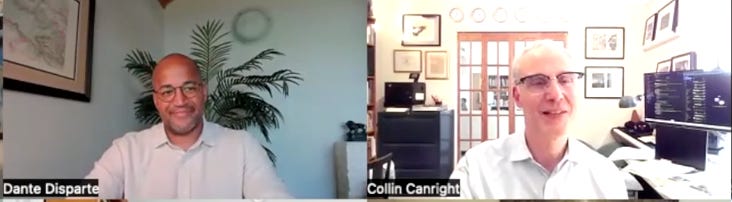
Panelists Dante Disparte (Circle) and Collin Canright (Fintech Rising)
What will money look like in 2050?
If you missed our discussion on July 16th, we invite you to listen to our panel on digital payment systems. The most frequent comment after the panel ended was “I learned so much!”
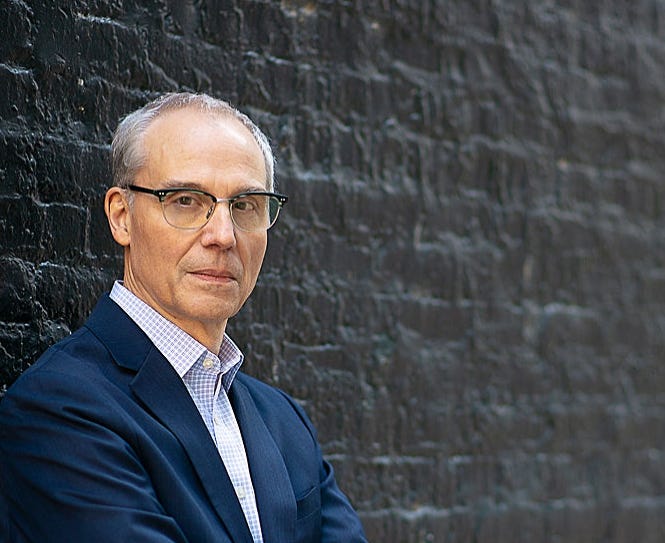
The panel featured econVue contributor Collin Canright and special guest Dante Disparte, CSO of Circle, who shared their insights on digital payments and currencies. Whether you are new to this space, or a fintech expert, you will undoubtedly learn something from our two eminent, knowledgable, and articulate speakers.
I asked the question: what do centralized and decentralized payment systemsmean for global investors? In a world facing cross-national conflict, political transitions, inflation, and growing sovereign debt, the answer to this question is highly consequential. What does money look like in 2050?
My takeaways
As Adam Smith wrote, “All money is a matter of belief”. Since my podcast with Dante Disparte in 2021, fintech has made huge strides, and cryptocurrencies have gone mainstream. The challenge, simply put, is that regulators are not keeping up with financial technology innovators.
Although digital payments will reduce friction in transactions, they will not replace the US dollar as a reserve currency in our lifetimes and in fact could further embed the dollar in the case of stablecoins. The future of money will consist of two parallel systems, perhaps three if China and Russia decide or are forced to go their own way.
Based on technological advances and innovative use of blockchain, the present slow speed and costs of legacy banking will be replaced by secure, lightening fast payment networks that transcend national boundaries, creating economic growth and social benefits. There is no doubt that efficient payment systems can alleviate poverty, especially for the unbanked, and render assistance in an emergency.
While we are still far away from the currency free zone envisioned in Star Trek, Gene Roddenberry’s concept of Federation energy credits was certainly prescient. In many ways in the horse and buggy era of payment systems, and progress has not been smooth. Regardless of the inventiveness of innovators, the limiting factor will be smart, fair and efficient regulation that will aid financial stability and establish guardrails for both investors and consumers. US leadership will be critical, and many in this space are counting on a change in administrations to enact these measures.
📍Washington DC Dante Disparte serves as Chief Strategy Officer and Head of Global Policy for Circle, the leading provider of internet-native payments and digital currency infrastructure as well as being the Founder and Chair of Risk Cooperative, a strategic insurance group. Dante advises governments, companies, and the world’s leading institutions on risk, resilience, and emerging technologies.




%26stroke%3Dnone%26strokeWidth%3D3.6)