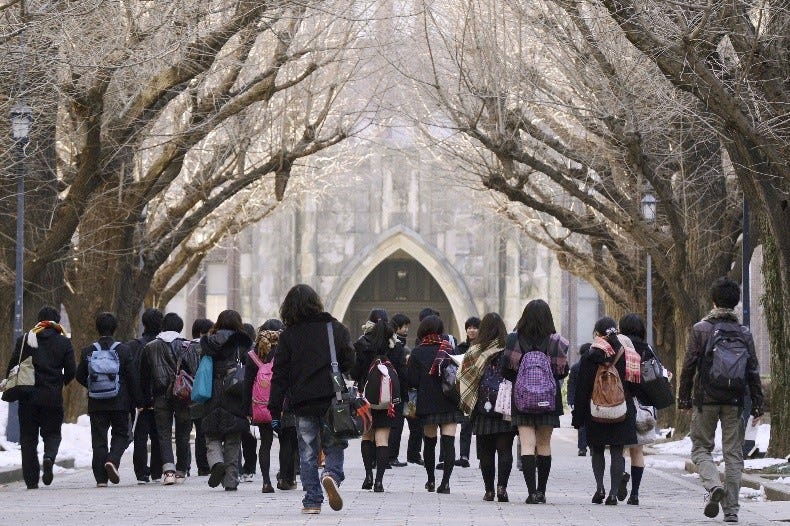
Deemphasizing academics in admissions could help attract more
͏ ͏ ͏ ͏ ͏ ͏ ͏ ͏ ͏ ͏ ͏ ͏ ͏ ͏ ͏ ͏ ͏ ͏ ͏ ͏ ͏ ͏ ͏ ͏ ͏ ͏ ͏ ͏ ͏ ͏ ͏ ͏ ͏ ͏ ͏ ͏ ͏ ͏ ͏ ͏ ͏ ͏ ͏ ͏ ͏ ͏ ͏ ͏ ͏ ͏ ͏ ͏ ͏ ͏ ͏ ͏ ͏ ͏ ͏ ͏ ͏ ͏ ͏ ͏ ͏ ͏ ͏ ͏ ͏ ͏ ͏ ͏ ͏ ͏ ͏ ͏ ͏ ͏ ͏ ͏ ͏ ͏ ͏ ͏ ͏ ͏ ͏ ͏ ͏ ͏ ͏ ͏ ͏ ͏ ͏ ͏ ͏ ͏ ͏ ͏ ͏ ͏ ͏ ͏ ͏ ͏ ͏ ͏ ͏ ͏ ͏ ͏ ͏ ͏ ͏ ͏ ͏ ͏ ͏ ͏ ͏ ͏ ͏ ͏ ͏ ͏ ͏ ͏ ͏ ͏ ͏ ͏ ͏ ͏ ͏ ͏ ͏ ͏ ͏ ͏ ͏ ͏ ͏ ͏ ͏ ͏ ͏ ͏ ͏ ͏ ͏ ͏ ͏ ͏ ͏ ͏ ͏ ͏ ͏ ͏ ͏ ͏ ͏ ͏ ͏ ͏ ͏ ͏ ͏ ͏ ͏ ͏ ͏ ͏ ͏ ͏ ͏ ͏ ͏ ͏ ͏ ͏ ͏ ͏ ͏ ͏ ͏ ͏ ͏ ͏ ͏ ͏ ͏ ͏ ͏ ͏ ͏ ͏ ͏ ͏
| | |
| By: Xiaochen SuThe rapidly declining availability of domestic high school students seeking admissions in Japan has created an existential threat for its 780 universities and colleges. Official data from the Japanese Ministry of Education, Culture, Sports, Science and Technology shows that the number of 18-year-olds in the country declined from 1.37 million in 2005 to 1.12 million in 2023, further shrinking to 970,000 by 2035. That means, according to the ministry, that the number of students entering Japanese universities by 2040 will fall by about 130,000 from 2022 levels. An additional 11,000 could be lost by 2050. It will inevitably get more problematic. The number of babies born in 2023 totaled 758,631, a record low for the eighth straight year and representing half the 1.5 million logged in 1983, according to the health ministry. The Covid-19 pandemic cut the number of marriages in 2020 to the lowest since the end of World War II, and the figure fell even further in 2021, which may have played a part in the decline in the number of births in 2022… Click to continue reading this story. This is among the stories/excerpts we choose to make widely available. If you wish to get the full Asia Sentinel experience and access more exclusive content, please do subscribe to us for US$10/month or US$100/year. | |