Retail inflation, as measured by the Consumer Price Index (CPI) grew at 7.41% in the month of September, largely in line with the 7.36% forecast by a Bloomberg poll of economists, but significantly higher than the 7% reading for the month of August. The Index of Industrial Production (IIP) – 77% of the index tracks manufacturing activity – contracted by 0.8% in the month of August, negatively surprising a Bloomberg forecast of economists which had projected a 1.7% growth. HT brings you a round-up of the most important and interesting stories, so you don’t miss your daily dose of news. |
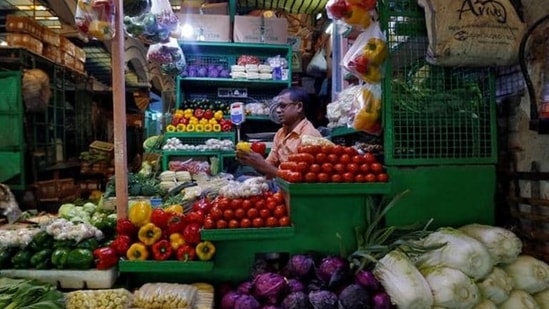
THE BIG STORY Vegetable, cereal prices push inflation to 7.41% Retail inflation rose to 7.41% in September on the back of higher food prices, and factory output in August surprisingly contracted by 0.8% primarily on account of the monsoon rain (which affects industries such as mining and construction), and lower exports on account of a global economic slowdown. Read more. |
STORIES YOU MAY HAVE MISSED |
| |
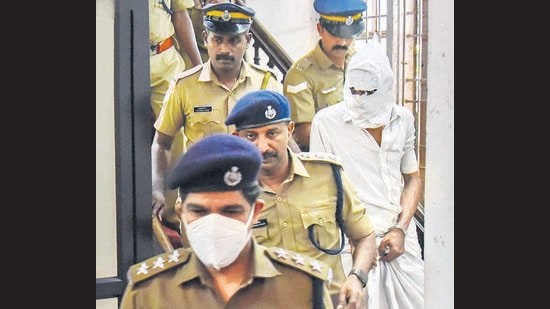
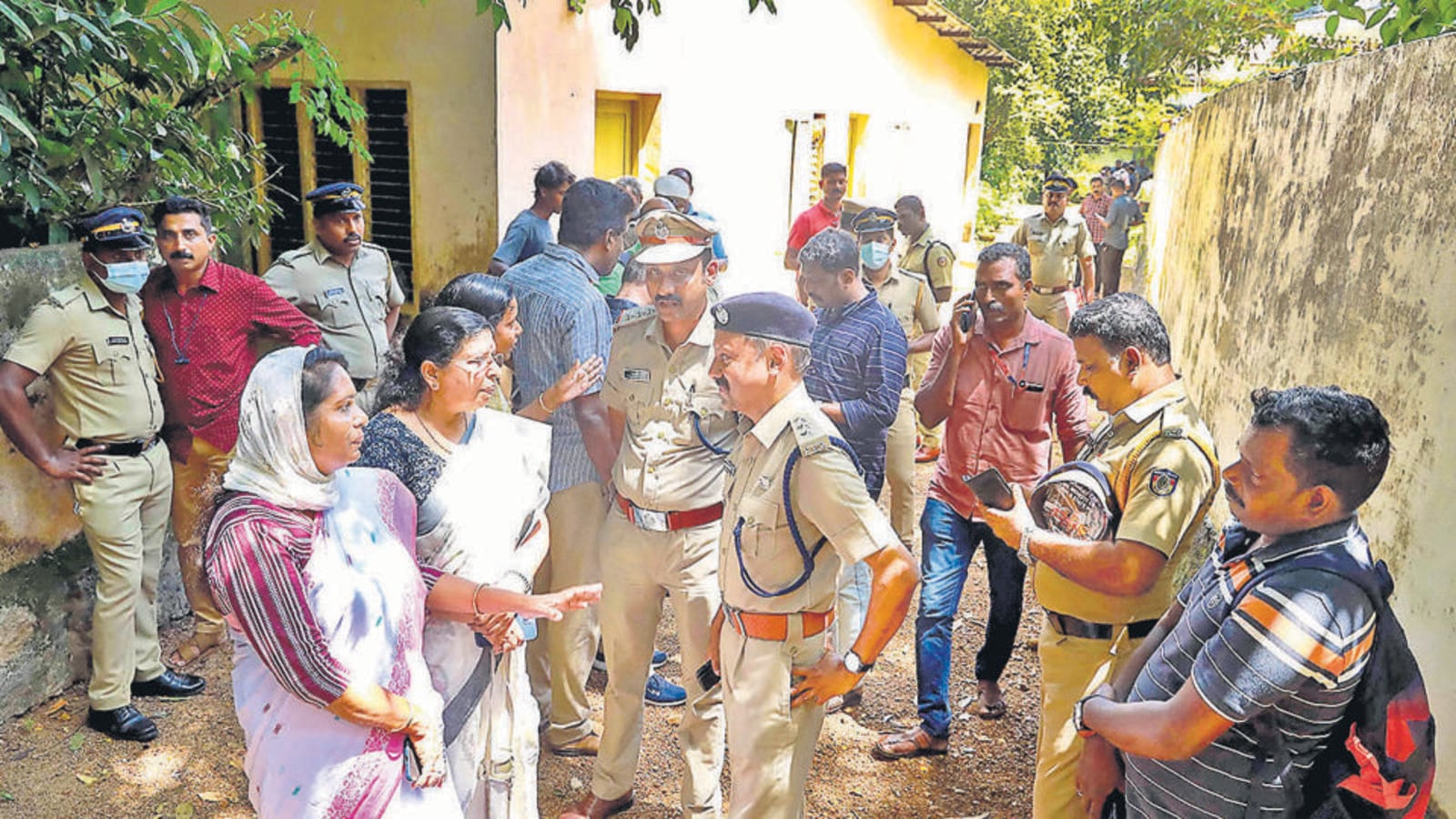
The Big Question What were the motives that led the Kerala couple to murder two people as ‘human sacrifice’? A Kerala couple, and a hardened criminal who pushed them to brutalise and murder two people as “human sacrifice” in a quest for prosperity, allegedly carved their victims into pieces, and cooked and ate some portions, before burying their bodies in a macabre ritual, police said on Wednesday. Read more. |
 Congratulations, Annie Ernaux. The French author just won the Nobel Prize in Literature. Boris Pasternak and Jean Paul Sartre have been previous winners. But why do both stand apart from the other laureates? |
| |
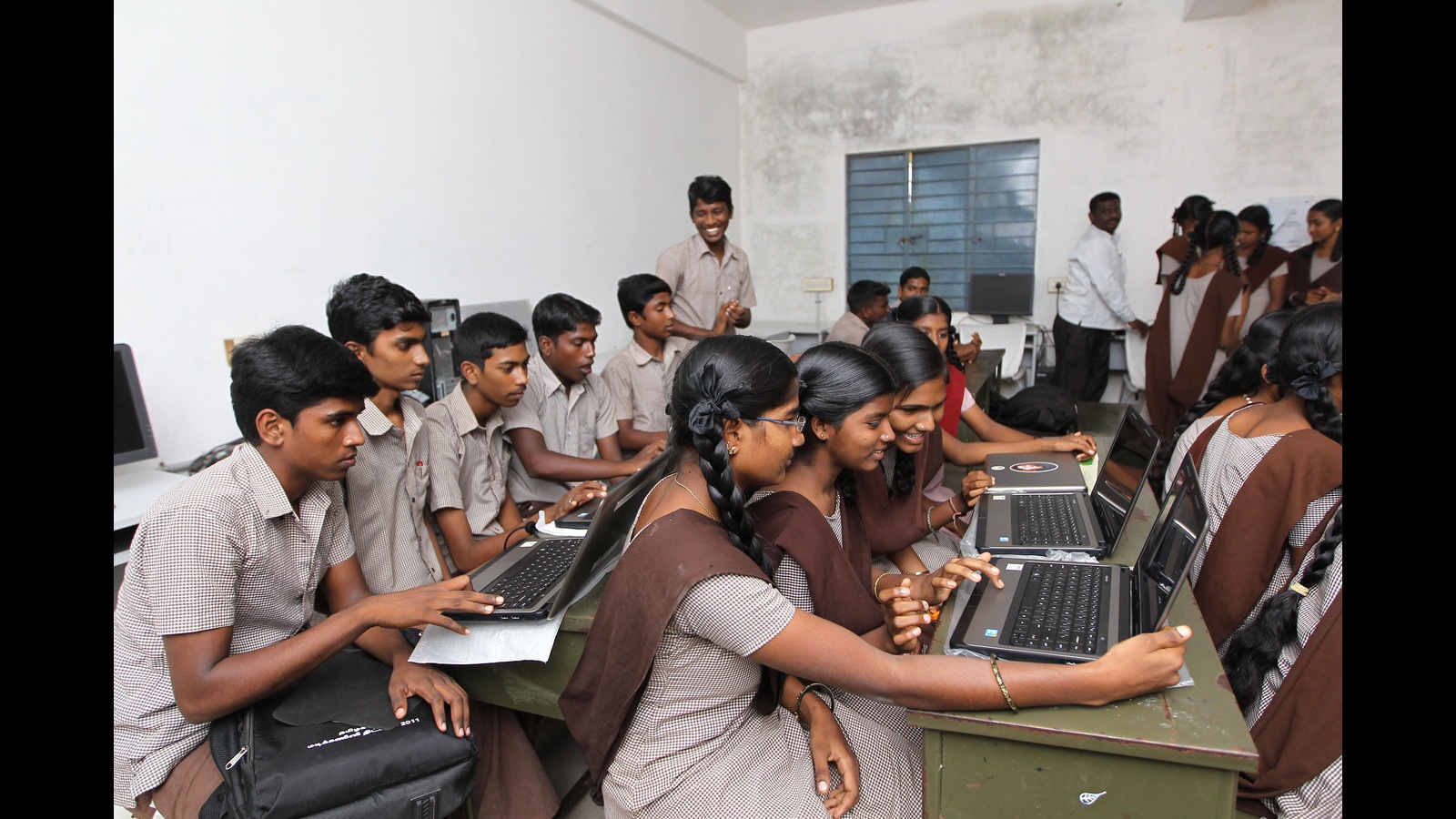
From the Edit Page Reversing losses in learning after Covid The Covid-19 pandemic and resulting school closures delivered a massive shock to education systems worldwide. The shock was highly unequal both across and within countries. Education was disrupted in low-middle income countries such as India more severely than in richer countries which were better equipped to pivot to remote instruction. Within countries, poorer households were more exposed to both the health and income shocks of the pandemic. Further, children from poorer households were less likely to receive any instruction, whether remote or in-person. The World Bank, Unesco and Unicef estimated the potential long-term education costs of the pandemic to be up to $17 trillion. Read more. |
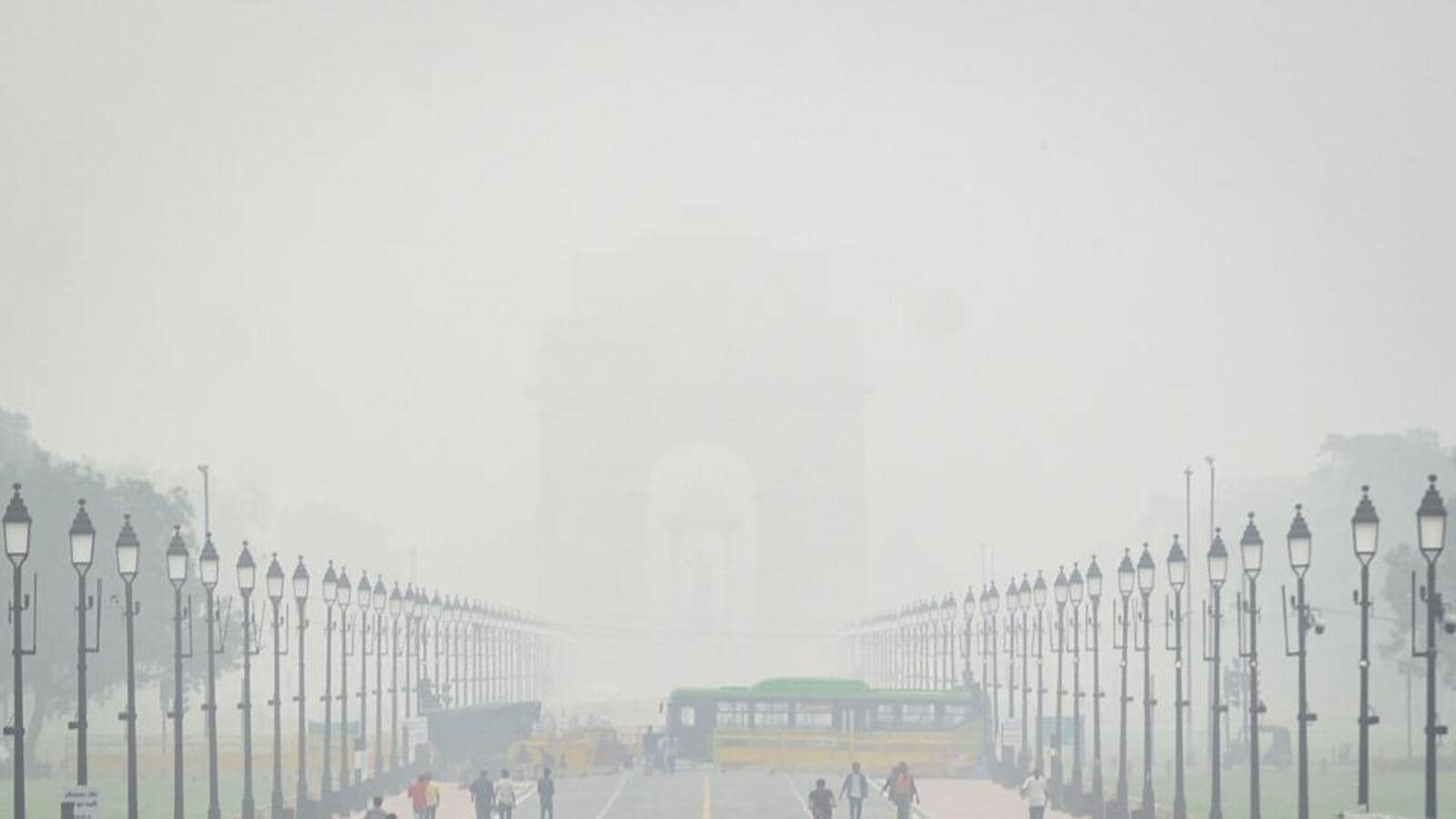
Number Theory Is clean air now a warning of worse air quality days later? Delhi has experienced some rare days of good air this week. The air quality index (AQI) was 44 on October 10, the best since August 31, 2020, and followed another low AQI of 48 experienced on October 9 (AQI was ‘satisfactory’ at 66 on October 11, but rose to 143 on October 12). The good air on two days was the result of unprecedented rain – the fourth highest since 1901 for the first 11 days of October – but it also serves as a warning of a coming peak of air pollution, an HT analysis of past rain, air quality, and active fires data shows. Read more. |
From the Field Kerala murders: A ‘devi’, a cultist couple, and a deviant killer This grisly story begins on Facebook. For close to two years, 60-year-old Bhagaval Singh, a traditional healer from Elanthoor in Pathanamthitta, spent hours online, interacting with a profile with the handle “Sreedevi”. A relationship was built over time, and he would often tell those around him that he considered the woman he was speaking to his “Devi”. Unbeknownst to Singh, the “Sreedevi” was a 52-year-old man accused of eight crimes in 15 years, including assault and rape. Read more. |
| |
Infographic of the Day Wildlife declined by 69% since 1970 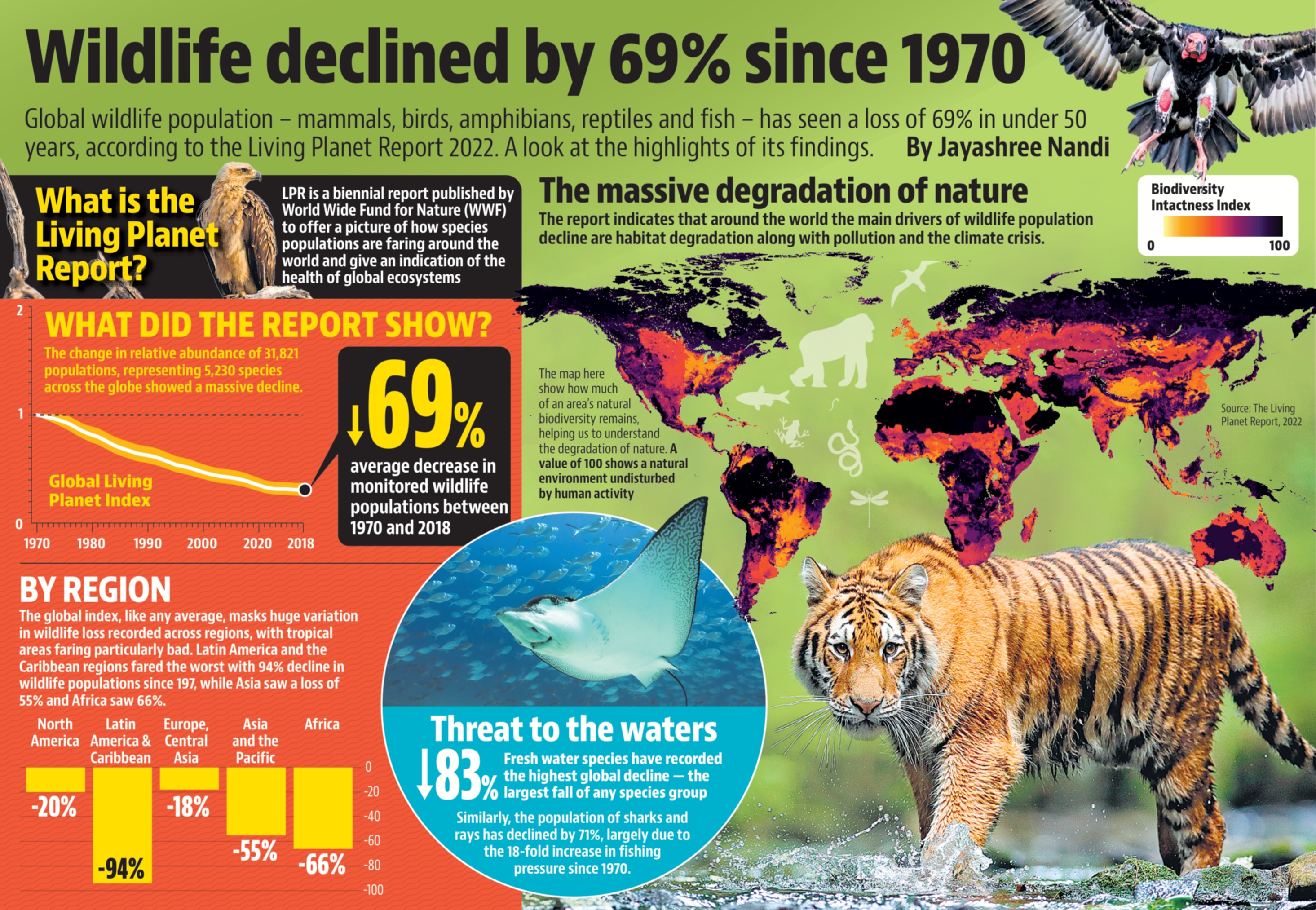 (Click to expand) |
 They declined to accept |
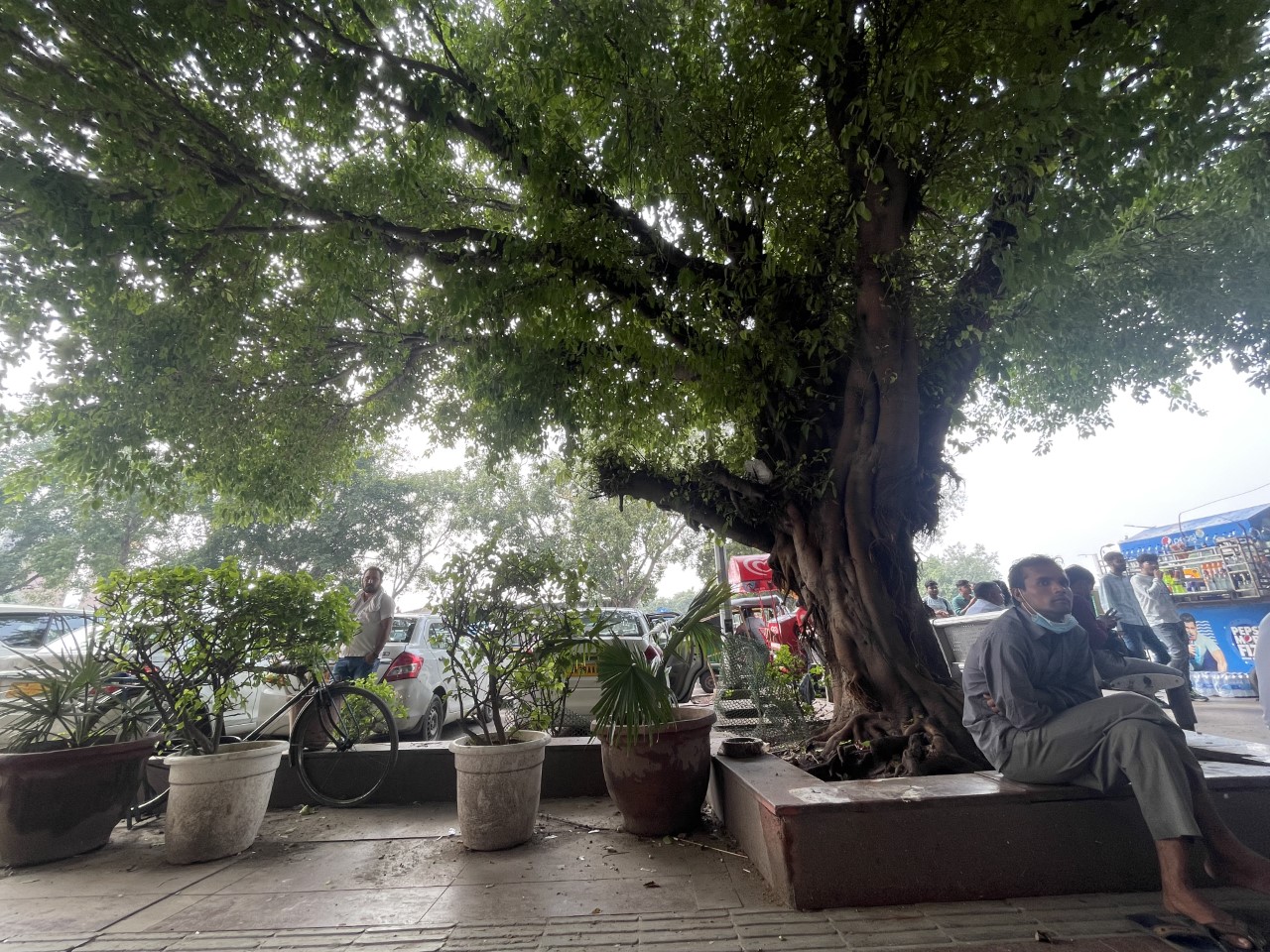
Photo of the Day Memorial to the second wave |
HT This Day: October 13, 1963 Vividh Bharati in orbit  (Click to expand) A DAY before the first Russian sputnik was fired on Oct. 4, 1957. All India Radio introduced its programme of Vividh Bharati. The two events are unrelated. But the chief producer of Vividh Bharati loves to mention them together with a grin for, though not as spectacular as the progress of man’s space-probing, Vividh Bharati has grown into a popular programme.” A measure of the listeners’ interest is the receipt, on an average, of 30,000 letters every month. Read more. |
Please share you feedback with us What do you think about this newsletter? |
Were you forwarded this email? Did you stumble upon it online? Sign up here. | | | | | |