| June 25, 2022 |  | | Hello Reader,
Zomato isn't holding anything back.
The foodtech and logistics platform has acquired Blink Commerce in a deal valuing the latter at $626 million. Zomato already owned 9 percent of the quick commerce startup, which runs quick-delivery platform—Blinkit, and now has paid nearly $568 million to acquire the remaining stake.
With this acquisition, Zomato has upped the ante in the quick commerce space, giving Blinkit access to its 15-million monthly transacting users and nearly 60 million monthly active users. It also gives the foodtech giant more muscle to take on Swiggy , which has been dominating the hyperlocal logistics space with its grocery delivery service, InstaMart, and pick-and-drop service, Genie.
“Quick commerce has been our stated strategic priority since the last one year,” Deepinder Goyal, CEO and Managing Director of Zomato, explained in a blog post. “We have seen this industry grow rapidly both in India and globally, as customers have found great value in quick delivery of groceries and other essentials.”
For Albinder Dhindsa, Founder and CEO of Blink Commerce, the acquisition marks a return to Zomato, where he was Head of International Operations between 2011 and 2014.
In today’s newsletter, we will talk about -
LeadSquared’s SaaS journey -
Genetically editing out diseases -
Solving blockchain scalability Here’s your trivia for today: How much will a private steak lunch cost with Warren Buffet in 2022? | | |
| Turning Point | | LeadSquared’s SaaS journey | 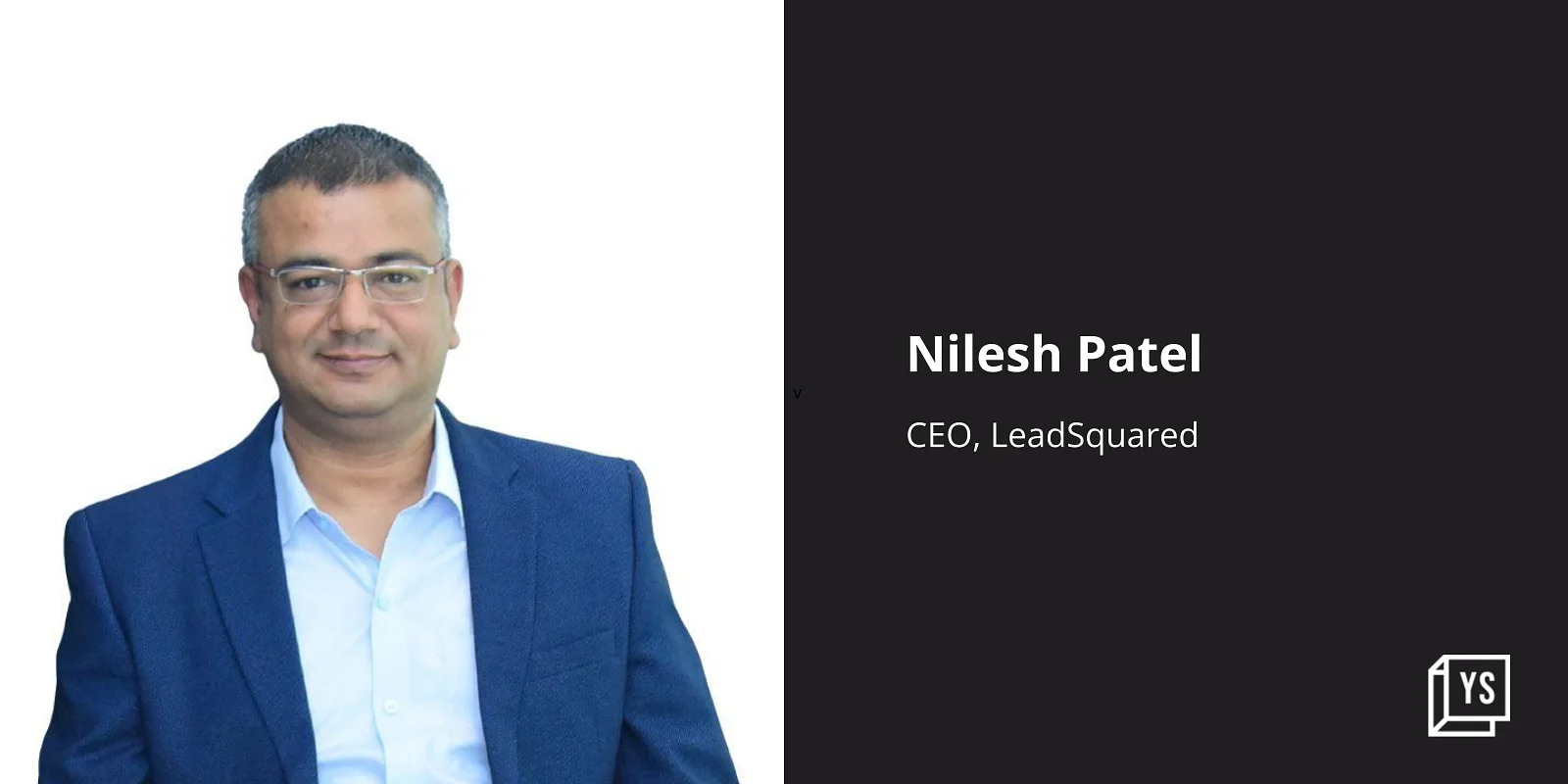 | | This week, the Indian startup ecosystem welcomed the newest entrant to the coveted unicorn club—LeadSquared, which raised $153 million in a Series C round of funding at a valuation of $1 billion.
The Software-as-a-Service (SaaS) platform offers marketing automation and sales execution CRM (customer relationship management) solutions. Prior to this, the founders—Nilesh Patel, Prashant Singh, and Sudhakar Gorti—were building software products for companies based in the US and Europe.
“We started saying maybe there is an opportunity to build a high velocity sales execution business for businesses selling to consumers and selling something of higher value,” Nilesh tells YourStory.
The LeadSquared platform is now used by over 2,000 businesses, primarily in the business-to-consumer (B2C) space, across edtech, higher education, financial services, healthcare, marketplaces, and others.
Timeline: -
2011: LeadSquared was launched as part of MarketXpander Services, a B2B marketing and lead generation company. -
2019: The company raised Series A funding, marking its first institutional round. -
2022: It became the 18th startup this year to cross the billion-dollar valuation mark. | | Read More | | | | |
| |
| | | | $15M | | Annapurna Finance
Series A2 | | | | | $15M | | SATYA MicroCapital
Equity and debt | | | |
| Startup | | Editing out diseases | 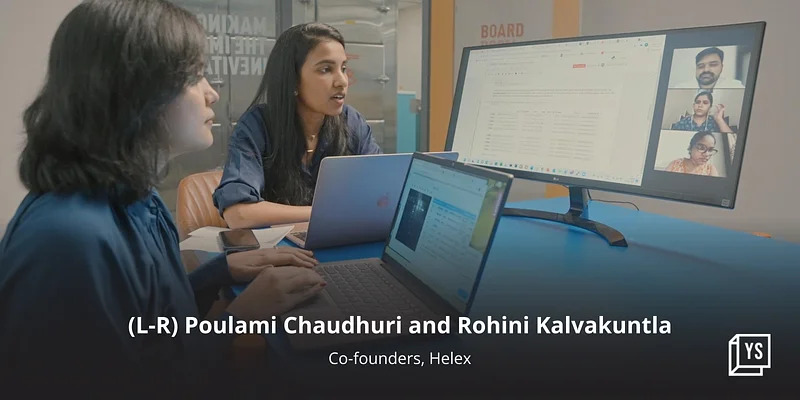 | | In 2018, a Chinese scientist shocked the world by announcing that he had created the world's first genetically edited babies who were resistant to HIV. The technology behind it, CRISPR, has a wide range of use cases—from preventing genetic disorders like Sickle Cell Anemia, to eradicating malaria.
Poulami Chaudhuri and Rohini Kalvakuntla understood the importance of this gene-editing technique but were also wary of the ethical dilemmas since its a new technology and has largely not been tested on humans.
In 2021, they built Helex, a platform that acts as a GPS for genome editing. It makes the guide RNAs to be more gene, cell and tissue-specific.
Use cases: -
It studies intended and also unintended genetic modifications and their impacts. -
The startup partners with drug developers to get favourable outcomes using precise DNA editing. -
It has partnered with a hospital to look for solutions for genetic disorders which lead to blindness. “Safety: that is the biggest concern. That is the technology that we are working on with a vision to make the genetic disease a thing of the past,” Rohini tells YourStory. | | Read More | | | | |
| Blockchain | | Solving blockchain scalability | 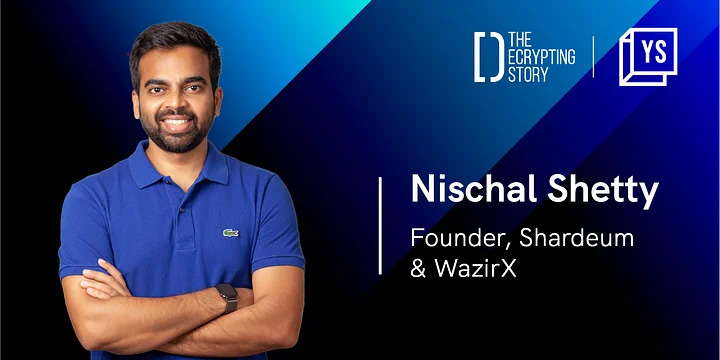 | | To enable mass adoption of Web3 solutions, the blockchain community needs to achieve scalability. However, scaling globally while maintaining security, speed, and decentralisation is a fine balance.
WazirX Co-founder and CEO Nischal Shetty and US-based blockchain architect Omar Syed realised that building on Layer 2 chains wasn't a solution as they can compromise on decentralisation and can get expensive. So, they looked towards sharding—grouping nodes into subsets (shards) and allowing only a shard containing relevant nodes to execute certain transactions.
They decided to start building Shardeum in 2017. An Ethereum Virtual Machine (EVM) based, Layer 1 protocol, the project leverages sharding to solve blockchain scalability.
How does it help: -
The startup democratises access to the internet and aims to be open, collaborative, and community-driven. -
It boosts the blockchain's efficiency by enhancing the number of transactions per second. -
Shardeum allows the blockchain to scale infinitely. | | Read More | | | | |
| News & Updates | | | -
Roe v. Wade overturned: The US Supreme Court overturned the landmark 1973 Roe v. Wade ruling that recognised a woman's constitutional right to an abortion and legalised it nationwide, handing a momentous victory to Republicans and religious conservatives who want to limit or ban the procedure. -
India inflation: India's retail inflation is likely to breach the mandated inflation target band of 2-6 percent for three straight quarters but is showing indications of peaking, the Reserve Bank of India deputy governor Michael Patra said on Friday. -
Horizon crypto heist: Hackers have stolen $100 million in cryptocurrency from Horizon, a so-called blockchain bridge, in the latest major heist in the world of decentralised finance. Details of the attack are still slim, but Harmony, the developers behind Horizon, said they identified the theft Wednesday morning. Harmony singled out an individual account it believes to be the culprit. | | |