Singapore Ups the Pressure on the OppositionProminent opposition figure to be charged with criminal breach of trust, unlawful stalking
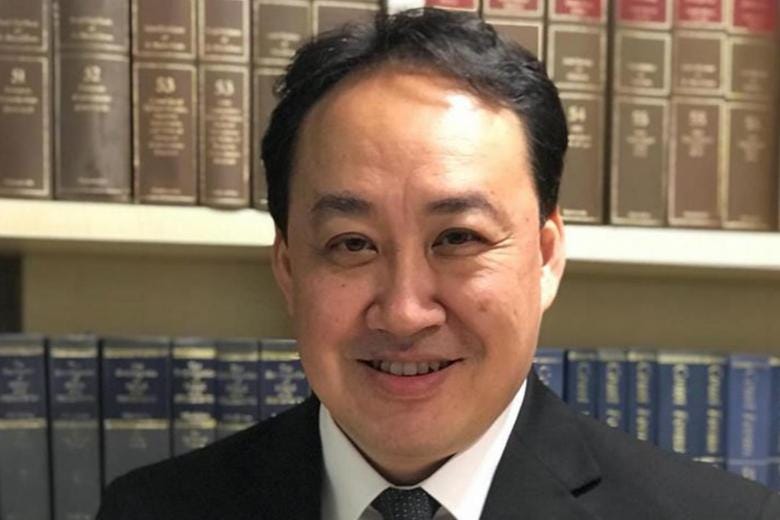
The Singapore government, in a series of legal actions, has charged a leading political figure with criminal breach of trust and other infractions, slapped an anti-fake news law on the Singapore Democratic Party, dangled the possibility of disqualification over leaders of the Workers’ Party and jailed the editor of what was the territory’s leading independent online news portal for defamation. The actions are reminiscent of those taken against political opponents in the 1980s including Workers’ Party leader Joshua B Jeyaretnam, who was jailed and bankrupted, and lawyer Francis Seow, who was forced to flee the country and became a permanent exile. Singapore famously has been the target of criticism by human rights organizations and journalism protection agencies for its unrelenting efforts to blunt criticism of its restrictions. Critics say the moves against opposition figures and the press may presage a snap election to solidify the long-serving People’s Action Party (PAP) in power. In 2020, despite receiving only 61.2 percent of the vote – its worst showing since 2011, when it won 60.1 percent – the PAP returned to power with 83 of the 93 seats, or 89.25 percent, a demonstration of the government’s skill in drawing the electoral boundaries to protect itself. The Workers’ Party, now facing the possibility of ouster from parliament of two of its leaders, won 10 seats in the 2020 election and for the first time in the country’s recent history was named the official opposition party. Whether an election is around the corner or not, over the past year or so activists such as Jovolan Wham have been arrested and fined for mild protests, a law, the Foreign Interference (Countermeasures) Act, has been pushed through threatening foreign journalists, and opposition politicians have been harassed repeatedly, not least Lim Tean (above, pictured). Taken together, these developments are a disheartening indication that the government shows no intention of lightening up on the use of excess legalism against the opposition and domestic press in its bid to remain in power. The most recent development was a notice on May 10 by the Singapore Police that Lim, an attorney who has acted for opposition figures, and the founder in 2018 of the opposition party People’s Voice, is to be charged on May 12 with criminal breach of trust, unlawful stalking and acting as an unregistered advocate or solicitor. The charges could potentially put Lim behind bars for 20 years. In a seven-minute Facebook post, Lim denied all of the charges, the most serious of which is that he misappropriated S$30,000 awarded to a former client as an insurance settlement in a civil suit, SPF said in a news release. In his video, Lim said the matter was a legal disagreement and that he had returned the S$30,000 (US$21,562) to the insurance company. Several of the other charges relate to a two-month period during which he practiced law while his legal certificate had lapsed. He said the lapse was at least partly due to the fact that he was unable to contact officials to renew it because of the Covid-19 crisis. He also dismissed the stalking charge as unfounded. Whether the charges are unfounded, as Lim claims, or are true, they are serious. The Singapore government, as with Jeyaretnam and Seow and a list of other political opponents, never loses in local courts. The vehicle to go after the Workers’ Party is an affair in which a young MP named Raeesah Khan, on August 3, 2021, rose in parliament to falsely claim that in 2018, she had accompanied a 25-year-old rape victim to make a police report, whereupon the victim was alleged to have been insulted by a police officer. Pritam Singh, the leader of the 65-year-old opposition party, and a fellow MP, Faisal Manap, were referred to a disciplinary committee to be charged with knowing about the falsehood and covering it up. On May 9, the Singapore parliament, which is dominated by the PAP, pushed through a measure raising the bar for disqualification from sitting for conviction and fine from S$2,000 to S$10,000. The action will affect Pritam Singh and Faisal Manap, who are awaiting a verdict for their alleged coverup of Raeesah Khan’s falsehood. Then, on May 10, the Singapore High Court ordered the Singapore Democratic Party to pay S$7,000 and costs for having “deliberately included” a statement in 2020 on its Facebook page, “knowing that it was false”. The offending statement alleged that the then-Chief Executive of the Housing and Development Board predicted that Singapore’s population density would increase to 13,700 per sq km, driving the territory’s population to nearly 10 million by 2030. While the official did refer to Singapore reaching a living density of 13,700 per sq km by 2030, the figure was based only on the land available for urban areas, not total land area. That was termed a false assertion under Singapore’s anti-fake news law. In mid-April, Terry Xu, the editor of the now-closed Online Citizen, was jailed for three weeks for defamation over a letter published on the site that alleged corruption among “the highest echelons” of Singapore. It was the second time that Xu had been hit with charges – the first for publishing an article which repeated allegations against Singapore Prime Minister Lee Hsien Loong by Lee’s siblings. Prime Minister Lee’s lawyers said those allegations are false and gravely injured the Prime Minister’s reputation. The Online Citizen was closed last year after the country’s Infocomm Media Development Authority rescinded its license over allegations it had failed to declare the sources of its funding.
This article is among the stories we choose to make widely available.If you wish to get the full Asia Sentinel experience and access more exclusive content, please do subscribe to us for US$10/month or US$100/year.© 2022 Asia Sentinel Unsubscribe
|