It's 10 am, and the flower shop at Classroom 9 is open for business.
Nataly, 5, is the cashier, presiding over a toy register and a vibrant array of cloth roses, carnations, and orchids. Arlet, also 5, mops the floor. Their teacher, Rawshan Khanam, is the first customer. For a modest bouquet, Nataly quotes her a price of $50.
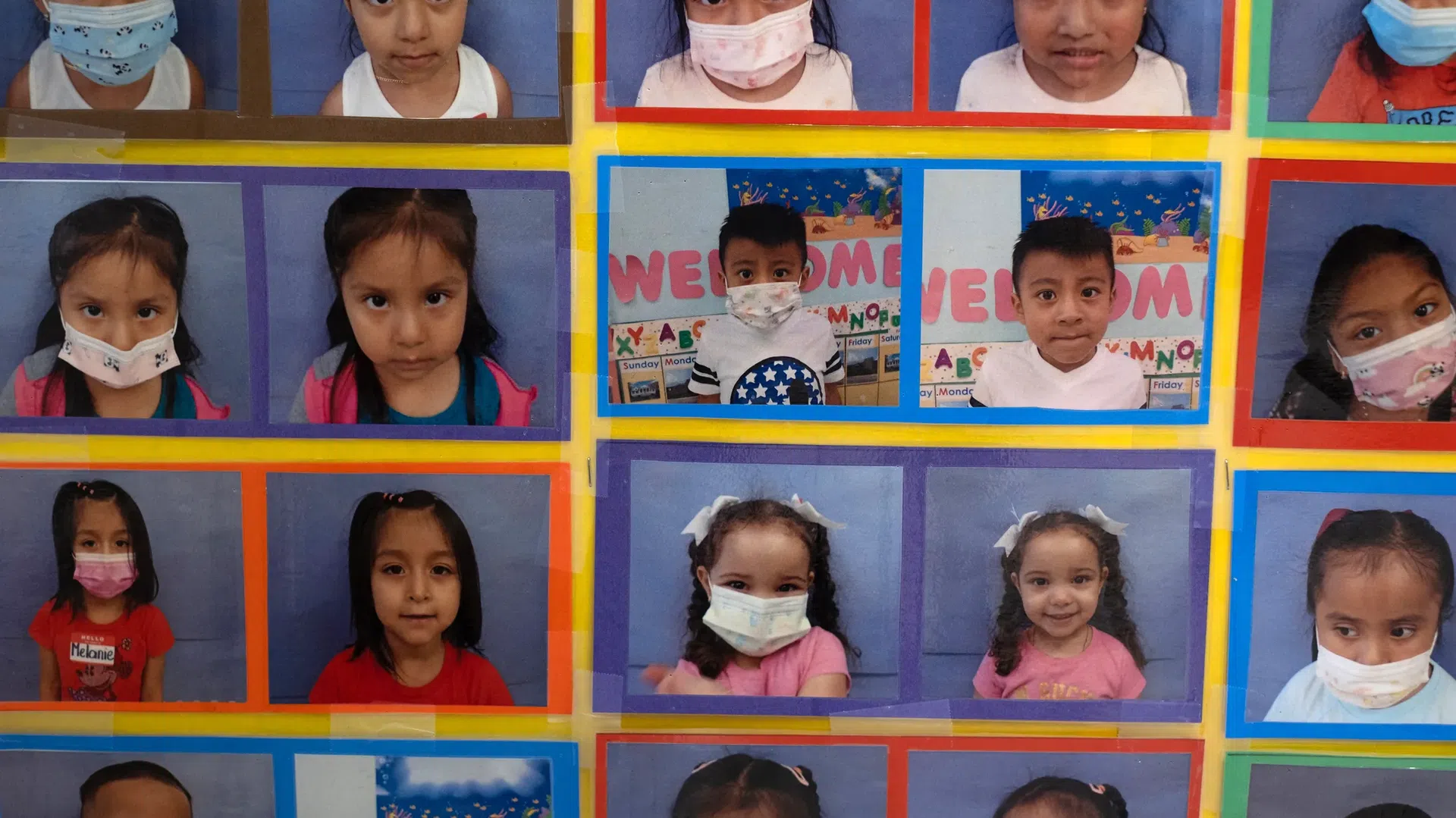
Aside from a bit of sticker shock (inflation has clearly hit the preschool flower market), it seems like the most ordinary interaction in the world: a couple of little kids and their teacher playing store. The students at the Child Center of New York Corona Head Start program in Corona, Queens, however, spent some of their most crucial formative years in a pandemic, when going to the store — or anywhere else — was no longer so simple.
That history keeps coming up even now that they're attending preschool at the Corona Head Start program, which serves low-income kids in a part of New York City hard-hit by Covid. Khanam is reminded of everything her students have missed out on when she asks them about once-common childhood experiences. "Have you ever been to a museum? No. Have you ever been to a beach? No. Have you ever been to a library? No," she said. "It's so much 'no' in their lives."
At this point, two and a half years into the pandemic, many kids have begun to catch up on experiences they missed. With vaccines becoming available for children under 5 in the near future, families can finally plan a return to normalcy. At the same time, infants, toddlers, and preschoolers have gone through crucial years of early social and emotional development at a time of trauma and isolation for many Americans. Many spent some of their earliest months on lockdown, often interacting only with family and missing out on small but real learning experiences like playing in a sandbox or going to the grocery store. Many of their caregivers went through extreme stress as well, which can affect children even before they're born.
Psychologists, educators, and other experts are still learning what it means for little kids to be born into the biggest public health crisis in a generation. Some of the news is concerning: One study, for example, found that babies born during the pandemic were slightly behind their pre-pandemic counterparts on measures of motor and social development. Parents and teachers are also worried about young children's language development after long periods of isolation and mask-wearing. "Their speech is so delayed," Khanam said. The picture that's emerging, though, is not as bleak as some might fear.