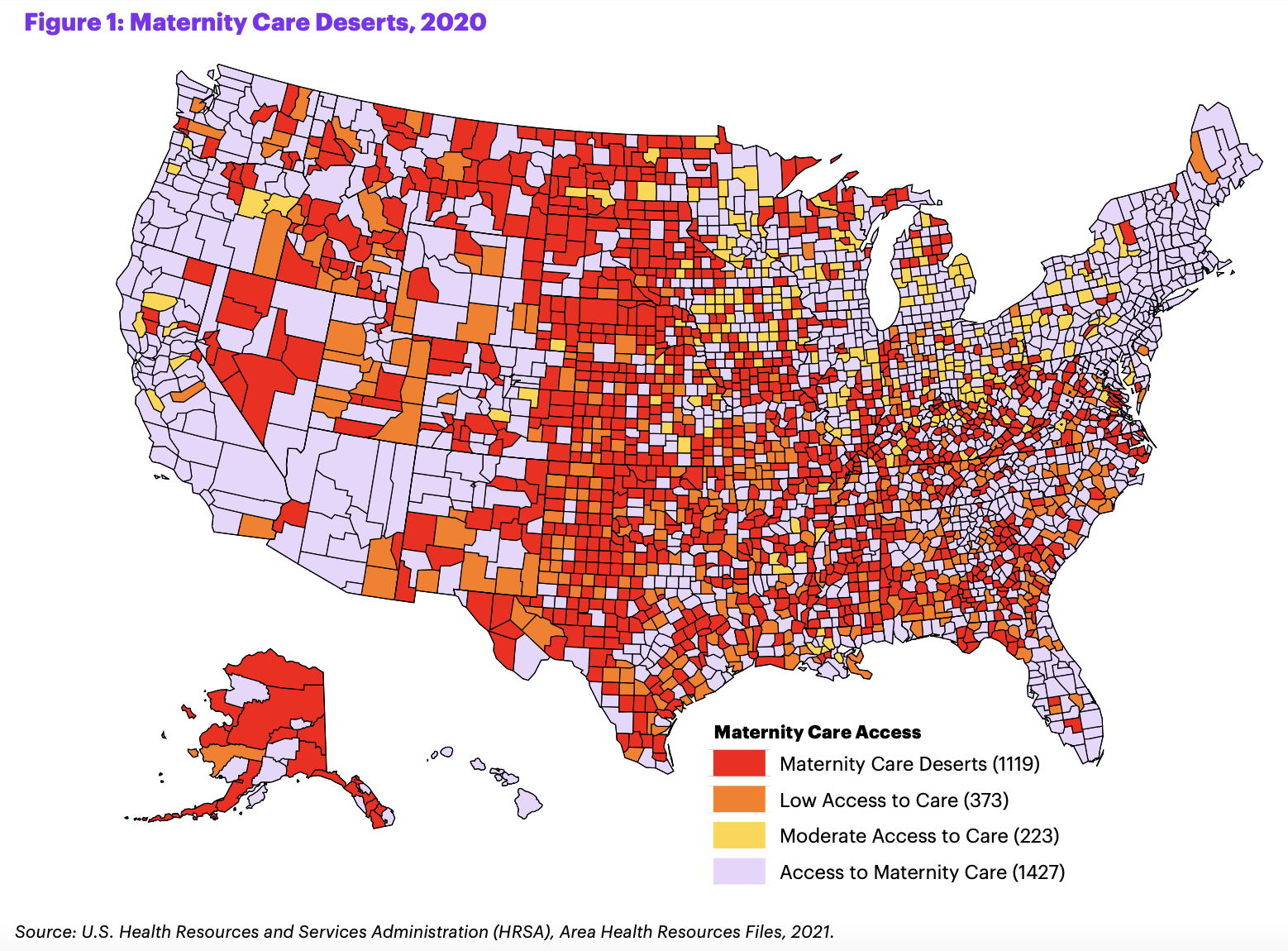
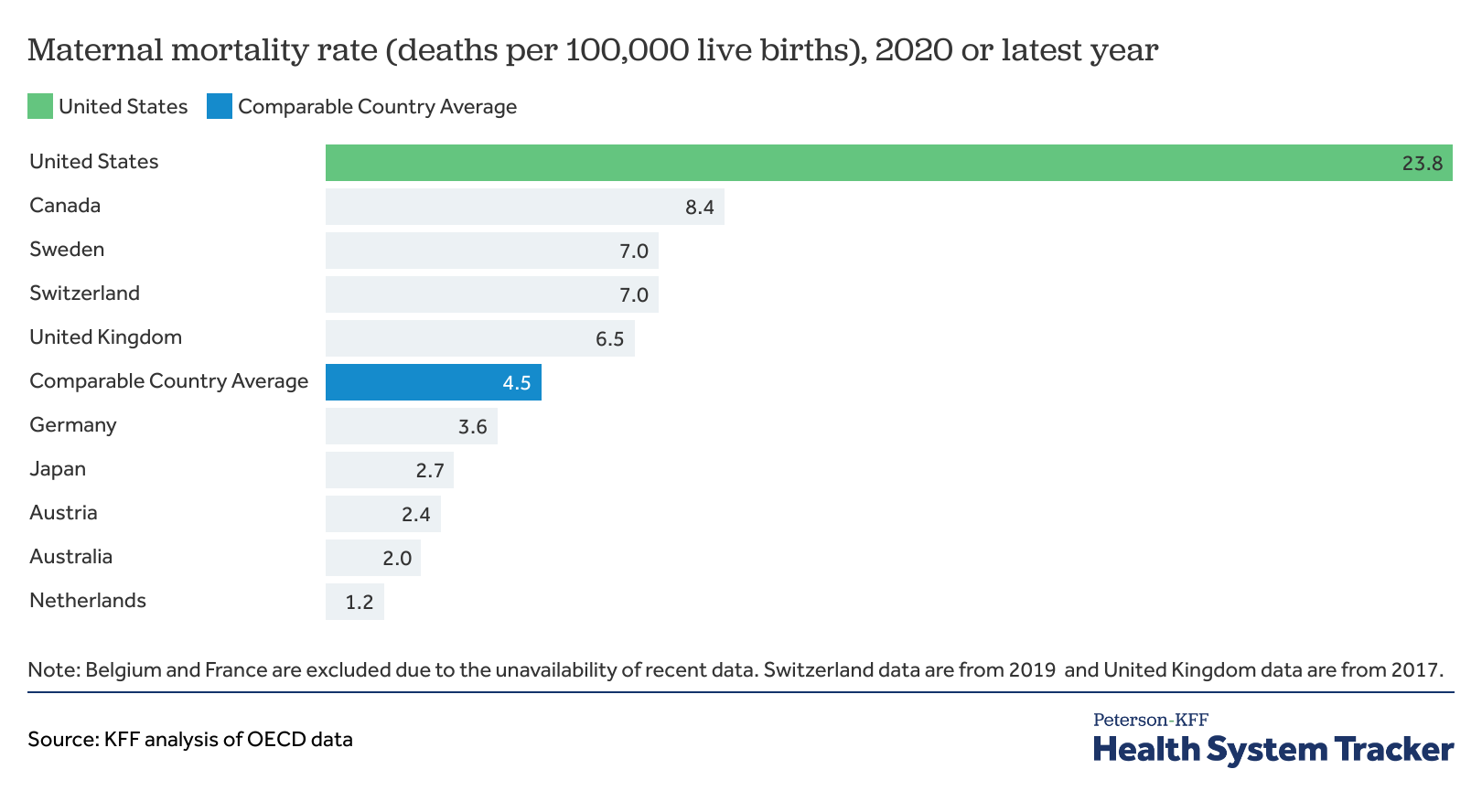
It is yet another way in which US health care is an outlier among its international peers. And the increase in the number of maternity care deserts has been driven at least in part by the profit-centric nature of the American health system, unique among wealthy nations.
Two trends drove the decrease in access to maternity care: A reduction in the number of obstetric providers and hospitals either eliminating these services or closing entirely. The losses are directly the result of the financial incentives — or rather, disincentives — that the US health system has set up for pregnancy-related care, as I wrote earlier this year.
Some hospitals try to argue that closing a maternity ward is not financially motivated, but labor and delivery services don't make money for them. More than 40 percent of births in the US are covered by Medicaid, and the program's low reimbursement rates are frequently cited to explain a hospital's decision to close its OB department.
There has also been a general trend toward consolidation and specialization among hospitals. It's usually cheaper to deliver babies at maternity departments with a high volume of births than those in communities with declining birthrates. The less active labor units will sometimes enter a downward spiral before they close: Birthrates drop, making it harder to staff the unit and more expensive to maintain these services. The staff's skills atrophy with infrequent deliveries, and hospitals cite that risk when justifying their decision to close a maternity ward.
As a consequence of these closures, people in labor sometimes have to travel half an hour or even much more to reach another hospital where they can have their baby. If they have any complications, this inconvenient access to emergency care can make the situation life-threatening for both, as the March of Dimes report highlighted.
According to the group, nearly 300,000 women with high-risk pregnancies lived in counties without high-level obstetric beds in 2020. And almost 80,000 infants admitted to neonatal intensive care units were born to families that lived in counties without NICU beds. At a state level, Wyoming does not have any NICU beds at all.
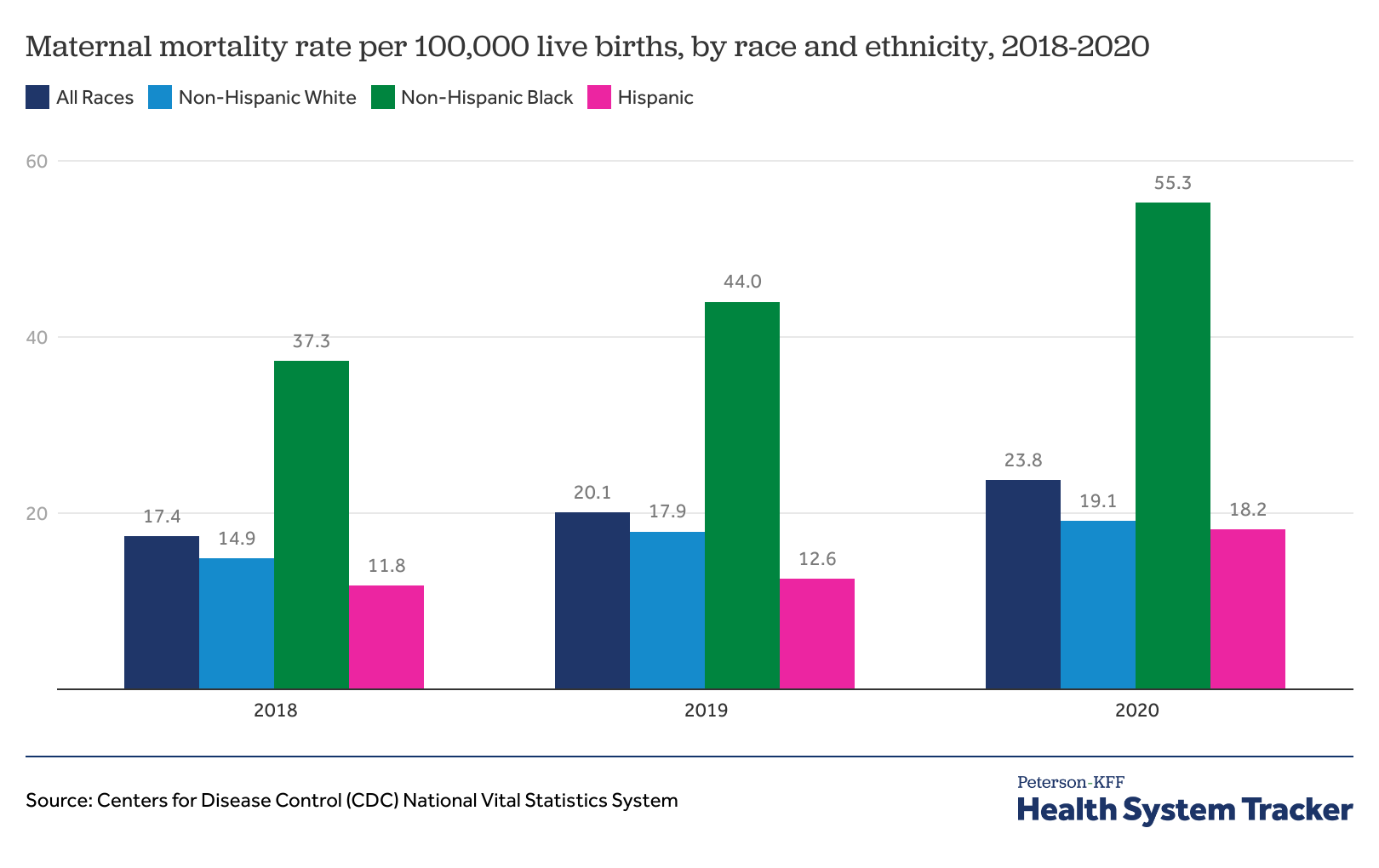
The March of Dimes proposed a variety of policy ideas to address America's inadequate access to maternity care: making more people eligible for Medicaid, making midwife care more widely available and authorized, and improving insurance benefits. This report and other data showing that the maternal mortality rate increased during the pandemic make the case for urgent action to protect the country's mothers and their babies.