Capital Letters: A city pushed to the brink?

Trouble viewing this email? View in web browser

Monday, 06 june 2022
By Saurya Sengupta

The crime, the Covid, the politics and the potholes: Capital Letters — Keeping track of Delhi's week, one beat at a time, through the eyes and words of HT's My Delhi section, with all the perspective, context and analysis you need.

Good morning!

Delhi was rocked twice this week (in literal and figurative senses) - first by a destructive storm on Monday that lopped off a few hundred trees in the Capital and destroyed quite some property; then (within hours of that storm dying out) by a political furore after a senior Delhi was arrested in a money laundering case.


Nature scorned?

Keen readers (please tell me we have some of those) of this newsletter will recall that a bulk of last week's edition (on May 30) was dedicated to violent winds and rain that left Delhi reeling. The winds on the day, at their strongest, travelled at speeds of around 75km/hour.

To this, June said, hold my bubble tea.

A routine evening on Monday turned quite dramatically when, for just a few minutes, destructive winds ripped through the Capital. The squall, marauding at speeds of 100km/hour, bore down the city at will, tearing off scaffoldings from buildings, slashing trees in half, flinging trunks onto cars.

The effects of the squall also killed two people in Delhi on Monday.

Hundreds of trees were either entirely uprooted or brutally felled in the wake of the winds, and many fell on to vehicles. Below is just a sample of the terror that struck in those brief minutes.

(Click to expand)

Naturally, traffic went haywire for many, many hours, especially in the central and New Delhi areas - home to the Capital's greenest neighbourhoods, which consequently bore the major chunk of the damage.

The prostrate trees also left authorities with a gargantuan task, getting trunks many decades old off the streets and sidewalks.

Experts for their part flailed the administration's disregard for the trees and said a lot of the damage was avoidable if proper preservation efforts had been factored in.

The storm gives us quite a decent segue into the next segment - existential questions about some tough choices Delhi needs to make.

Delhi and its stressed resources

Delhi is rightly feted for its ability to fulfil the aspirations and dreams of millions, while stubbornly keeping its grip on its beauty, heritage and charm. But the stress has begun to show - in its resources, its appearance, its climate and (absolutely zero points for guessing) its air.

The city is home to some of India's biggest landfills, even as residents breathe the world's filthiest air. Moreover, ever-increasing demand and scant percolation of sustainable systems have left Delhi needing to ration its water and electricity, especially during the brutal summer months.

So where does the Capital stand in its (now unavoidable) journey towards a sustainable future? HT's Jasjeev Gandhiok takes you through the journey here. On Sunday, HT profiled some of the people taking bold steps, paving the way for change.

Rain harvesting: Making each drop count at his home

Energy efficient homes: Building a green space in the concrete jungle

Green grass pavers: Beginning a grassroots revolution in colonies

Rooftop solar: 'No power bill and a great place for rooftop garden'

Zero waste: Making sure nothing goes to waste at home

Electric Vehicles: 'No emission…just charge and drive around'

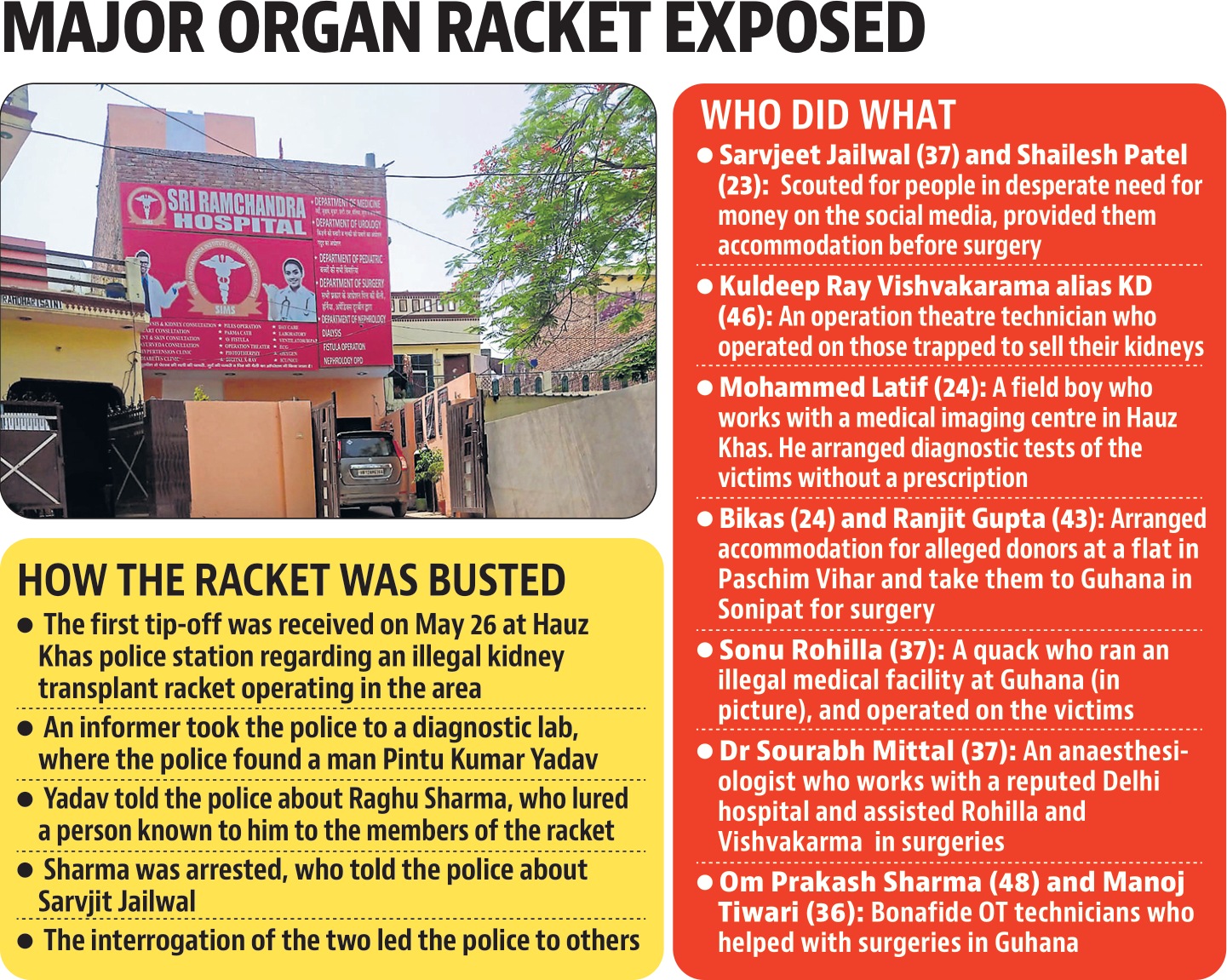
Large-scale kidney transplant racket busted

The police on Wednesday cracked down on an illegal kidney transplant racket, arresting several people, including a Delhi-based doctor, and adding that members of the gang conducted at least 12 illegal transplants in the last six months.

Police said the group set up a medical unit in Sonipat district's Guhana to conduct the transplants.

Investigators said that the gang members lured poor people to sell their kidneys for ₹3-4 lakh and sold the organs to rich receivers for ₹30-40 lakh.

They said the main conspirator in the case is an operation theatre technician who used to work in a Delhi hospital.

The heart of the kidney racket? A nondescript house in Gohana city in Haryana's Sonepat district.

J'accuse!

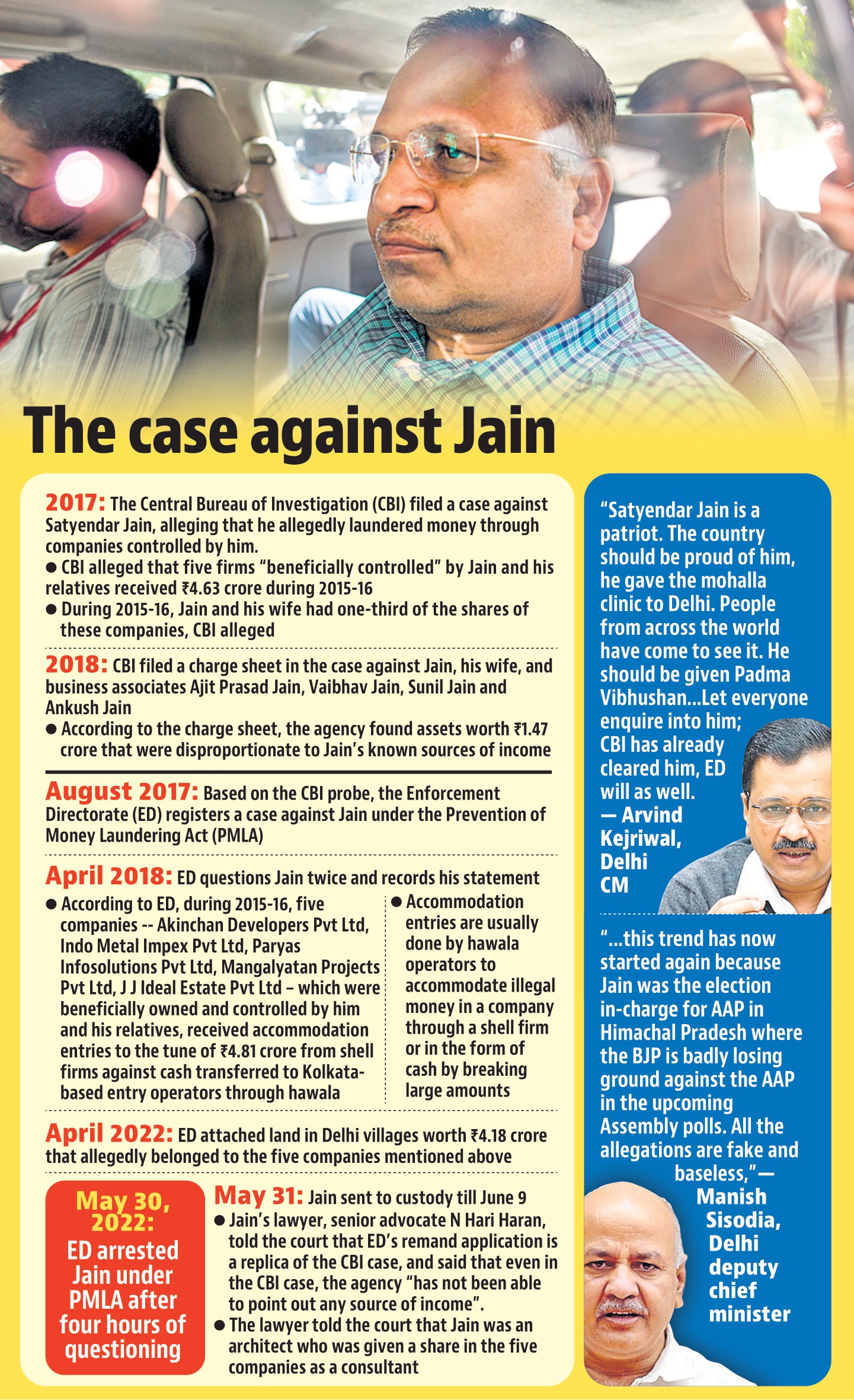
Delhi health minister Satyendar Jain was last week arrested by the Enforcement Directorate for his alleged role in a money laundering case.

According to the central agency, companies "beneficially owned and controlled by Jain" received accommodation entries amounting to Rs 4.81 crore from shell companies, against cash sent to Kolkata-based entry operators through hawala channels. The case is based on a CBI FIR lodged against Jain in 2017, in which he was accused of having laundered money through four companies allegedly linked to him.

The Aam Aadmi Party has defended its veteran member, with Delhi CM Arvind Kejriwal calling him a patriot and arguing that he deserved a Padma award for his work on healthcare in the Capital during his time as minister.

But Satyendar Jain is not an accused. Or, at least, this is what the ED told the Delhi high court during a hearing on Friday, contending that Jain was taken into custody (for nine days) to be interrogated.

The argument was made while challenging a trial court condition that permitted Jain's lawyer to be present in visible, but not audible, distance during his interrogation in the case.

Additional solicitor general SV Raju, appearing for ED, said Jain is not an accused, and hence not entitled to other rights available to accused persons.

He added that a person cannot be called an accused till the time their name has not been mentioned in the FIR or enforcement case information report.

At this, senior advocate Abhishek Manu Singhvi, representing Jain, said the minister cannot be a Trishanku (in limbo), and that he is either an accused or he is not.

If only Schrödinger were in the legal business.

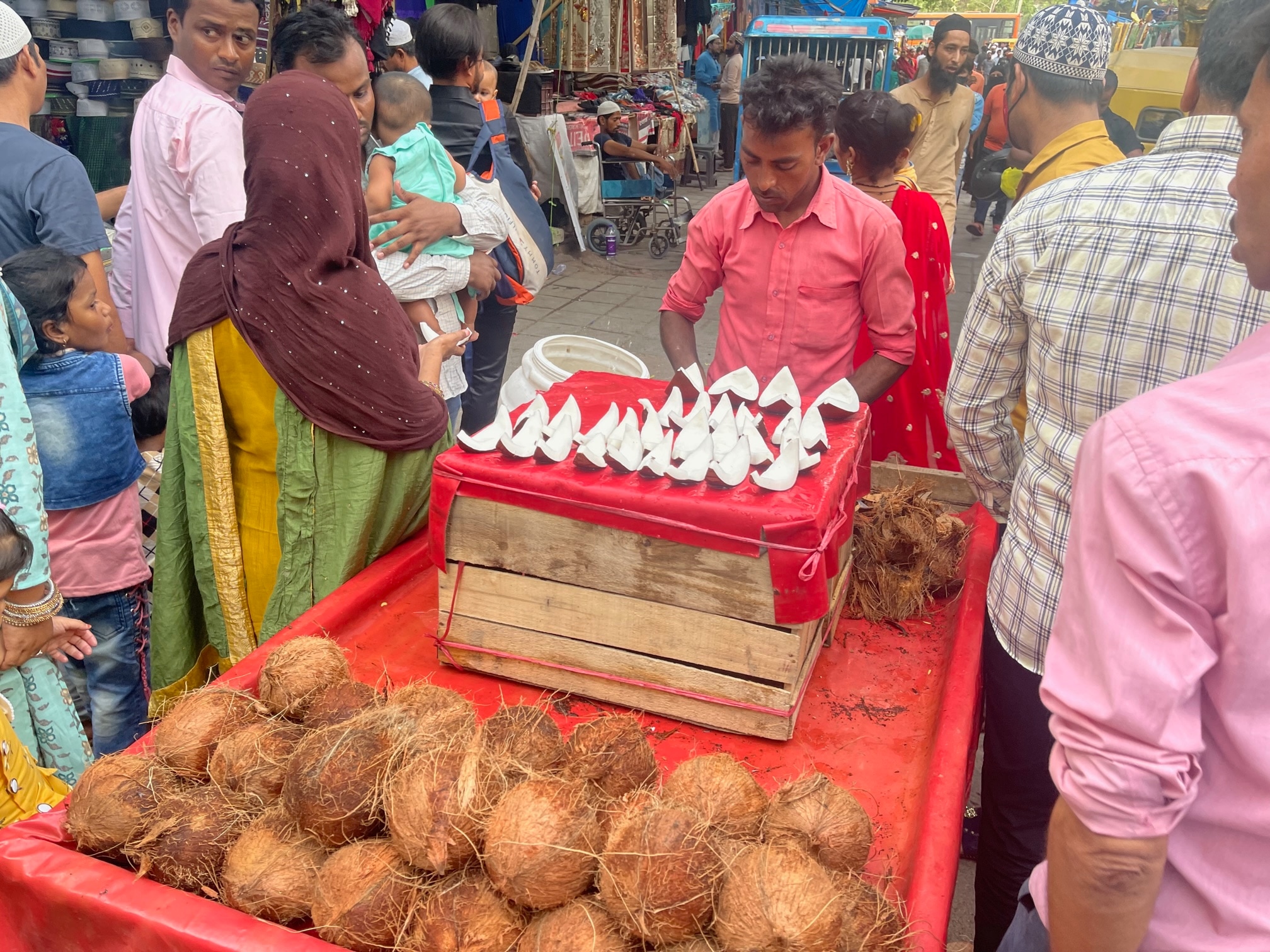
They look like wedges of spotlessly white ice. But these are sliced coconuts, and just a bite sends shivers of coolness through the heat-stricken body. Vendor Harish keeps them wet and sweet with rose water spray. Find him in Jangpura.

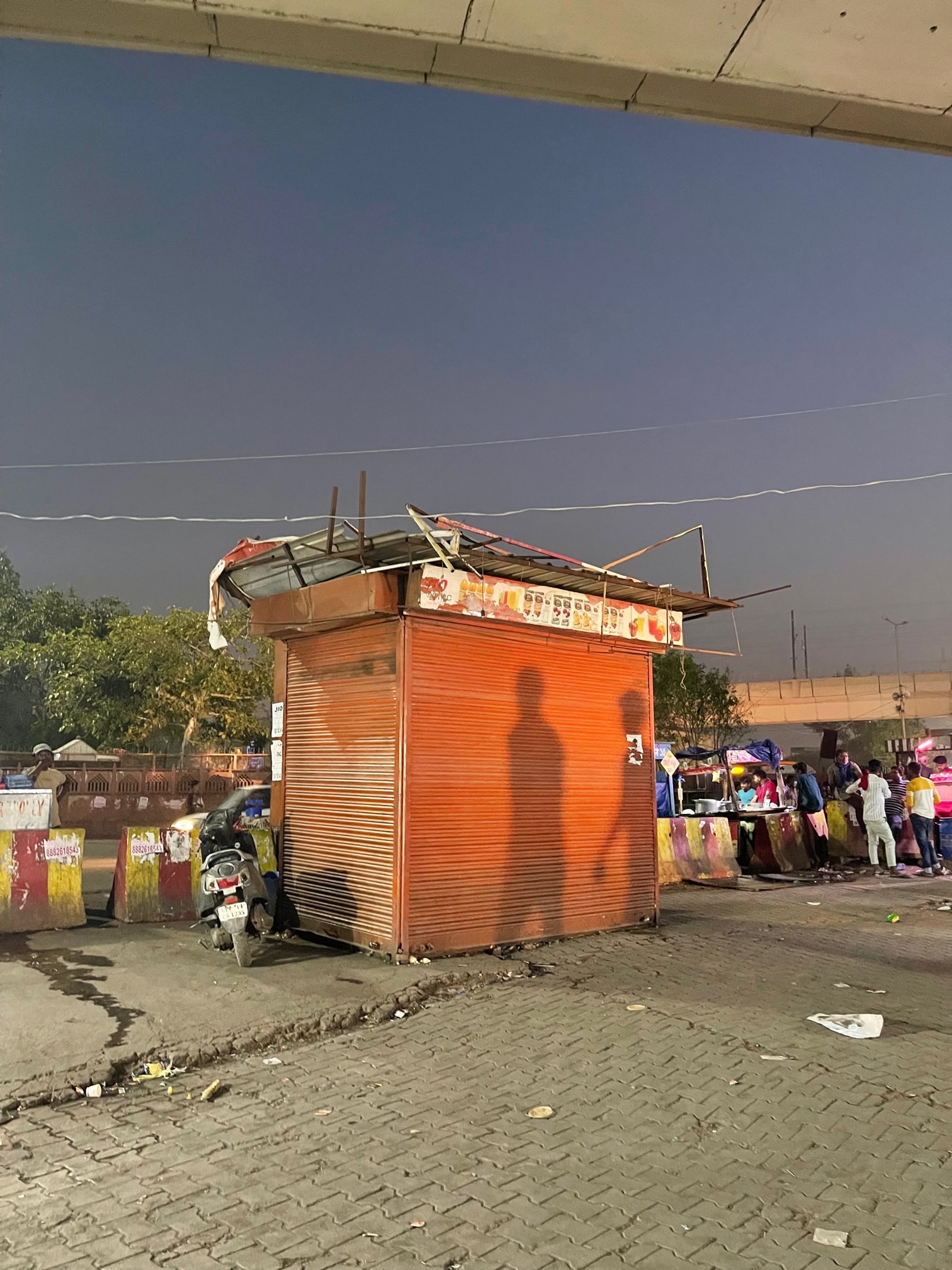
A shuttered store front in the bus terminus next to Pacific Mall in Ghaziabad comes alive every evening with the shadows of passersby falling on its shutters. It's like watching a surreal silent film.

Talking of shuttered storefronts, why do they have so much life? The other day we came across a shuttered store that had briefly become a stall for a seller of men's jackets. The sight was super-lovely!


Please share your feedback with us

What do you think about this newsletter?

Loved it Loved it Meh! Meh! Hated it Hated it

Were you forwarded this email? Did you stumble upon it online? Sign up here.

Written and edited by Saurya Sengupta. Produced by Samiksha Khanna. Send in your feedback to saurya.sengupta@htlive.com or samiksha.khanna@partner.htdigital.in.

Get the Hindustan Times app and read premium stories
Google Play Store App Store
View in Browser | Privacy Policy | Contact us You received this email because you signed up for HT Newsletters or because it is included in your subscription. Copyright © HT Digital Streams. All Rights Reserved

--
Click Here to unsubscribe from this newsletter.

Post a Comment

Previous Post Next Post

Contact Form