|
The Benefit of Competition
|
|
For many years, the United States led nearly every major breakthrough in biotechnology, with new medicines often reaching American patients before becoming available elsewhere.
|
|
Today, that landscape is becoming more competitive. China’s biotechnology companies are producing innovative science, completing high-quality clinical trials, winning important regulatory approvals, and increasingly partnering with large global pharmaceutical companies.
|
|
This reflects a significant shift in the global biotechnology industry rather than an isolated success story.
|
|
When all these developments are connected, a much larger trend begins to emerge.
|
|
China is establishing itself as a serious source of biomedical innovation, while the FDA is modernizing its leadership and regulatory structure to prepare for a new generation of advanced therapies.
|
|
These are not unrelated events. They are two parts of the same global transformation that is reshaping the future of medicine.
|
|
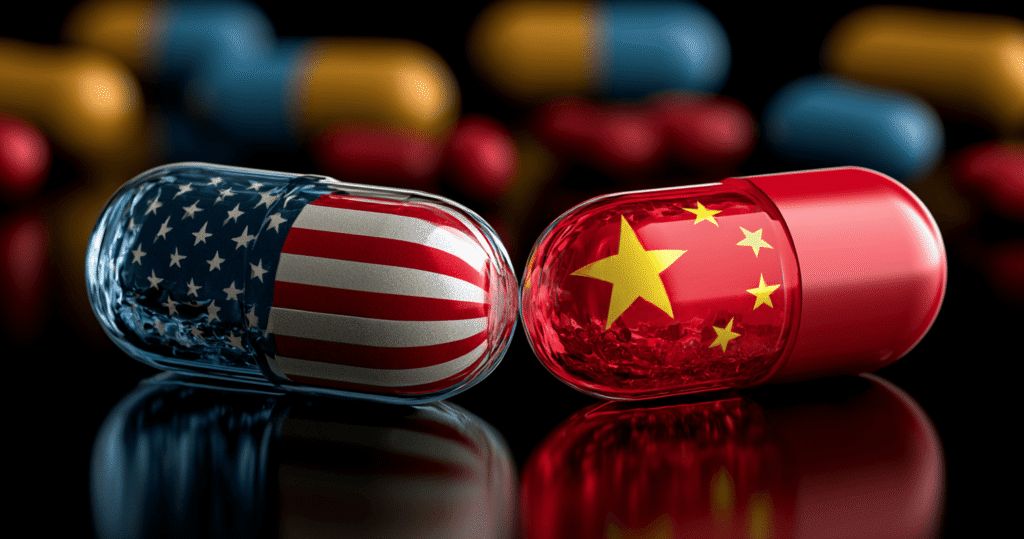
Ultimately, this growing competition between the United States and China could benefit everyone.
|
|
Both countries are investing heavily in technologies such as gene therapy, cell therapy, gene editing, and artificial intelligence to develop better medicines. Healthy competition often drives faster innovation, greater investment, and more treatment options for patients.
|
|
While the race to develop tomorrow’s medicines is becoming increasingly global, the biggest winners may ultimately be the millions of patients who gain access to life-changing therapies that once seemed impossible.
|
|
For investors, these developments may represent something even bigger than a single medical breakthrough. They signal the beginning of a new investment cycle for biotechnology.
|
|
The New Investment Cycle
|
|
During the past several years, the industry experienced one of its most difficult periods in decades. Rising interest rates, limited venture funding, weak initial public offerings (IPOs) environment, and fewer mergers and acquisitions created what many investors called a “biotech winter.” Many promising companies struggled to raise capital, and stock prices across the sector declined sharply.
|
|
Over the past year, however, the environment has started to change. Biotechnology IPOs are gradually returning after several quiet years. Large pharmaceutical companies have resumed acquiring innovative biotechnology firms and signing multibillion-dollar licensing agreements to strengthen their future pipelines. Venture capital funding has begun to improve, while artificial intelligence is helping researchers discover and develop medicines faster than ever before.
|
|
At the same time, regulators such as the FDA are reorganizing to prepare for a future in which gene therapies, cell therapies, gene editing, and RNA medicines become a much larger part of everyday healthcare.
|
|
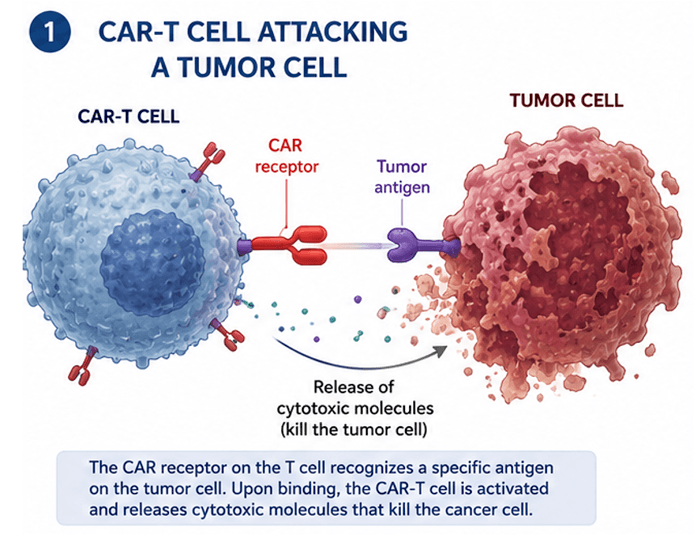
China’s rapid progress, highlighted by the world’s first approved CAR-T therapy for a solid tumor, adds another powerful source of innovation that is accelerating competition across the industry.
|
|
When these trends are viewed together, they resemble the early stages of previous technology revolutions.
|
|
During the early days of the internet, few people realized how dramatically digital technology would transform nearly every industry. We’re seeing something similar play out with artificial intelligence (AI). The rapid rise of AI has created entirely new companies, attracted enormous investment, and reshaped the competitive landscape across technology.
|
|
Biotechnology now appears to be entering a similar period.
|
|
Advances in artificial intelligence, genetic engineering, precision medicine, and advanced manufacturing are converging at the same time, creating opportunities that would have been difficult to imagine a decade ago.
|
|
Of course, biotechnology remains one of the most challenging industries for investors. Clinical trials can fail, regulatory reviews can take unexpected turns, and even promising companies can experience setbacks.
|
|
Success will not come from simply buying every biotechnology stock.
|
|
Instead, long-term winners are likely to be the companies with innovative science, experienced management teams, strong financial resources, and clear paths toward commercialization. As always, careful research and patience remain essential.
|
|
Looking ahead, the biggest opportunity may not come from a single company or a single breakthrough. It may come from recognizing that the entire biotechnology industry is entering a new chapter.
|
|
A New Era in Global Biotechnology
|
|
The FDA is adapting its regulatory framework for the next generation of medicines. Capital is beginning to flow back into the sector. Large pharmaceutical companies are competing aggressively to acquire promising technologies. Artificial intelligence is accelerating drug discovery, while countries such as China are emerging as major sources of innovation alongside the United States.
|
|
Together, these powerful trends are creating an environment that could drive scientific progress and investment opportunities for many years to come.
|
|
History rarely repeats itself exactly, but it often follows familiar patterns.
|
|
Every major technological revolution has gone through a period when the pieces began falling into place before the broader market fully recognized what was happening.
|
|
The internet experienced that moment. Artificial intelligence experienced that moment. Biotechnology may now be approaching its own defining period.
|
|
While no one can predict exactly which companies will become tomorrow’s leaders, the evidence clearly shows we are witnessing the beginning of a new global biotechnology race.
|
|
For investors willing to think long term, this will become one of the defining investment themes of the next decade.
|
|
Regards,
|
|
Feruz Kurbanov
Senior Biotech Analyst, Brownstone Research
|
|